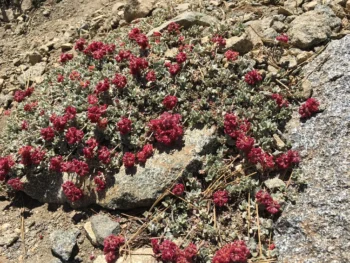
Alpine Sulphur-Flower Buckwheat: A Golden Gem for High-Altitude Gardens
If you’re looking to add a splash of sunshine to your rock garden or alpine landscape, alpine sulphur-flower buckwheat (Eriogonum umbellatum var. minus) might just be the perfect native treasure you’ve been seeking. This petite powerhouse brings both beauty and ecological value to specialized garden spaces, though it’s definitely not your typical backyard perennial.
What Makes This Plant Special
Alpine sulphur-flower buckwheat is a native California perennial that belongs to the broader sulphur-flower buckwheat family. Don’t let the buckwheat name fool you – this isn’t related to the grain you might find in your pancakes! Instead, it’s a charming forb herb that stays low to the ground and produces clusters of brilliant yellow flowers that gradually shift to warm orange and red tones as they age.
This particular variety is found exclusively in California, making it a true Golden State native. As a perennial, it comes back year after year, forming neat, compact clumps that rarely exceed a few inches in height.
Where It Calls Home
This alpine beauty is naturally found in the high-elevation regions of California, particularly thriving in the Sierra Nevada mountains. It’s adapted to harsh mountain conditions, including intense sun, strong winds, and dramatic temperature swings.
- Species observed
- No observations
Why You Might Want to Grow It
There are several compelling reasons to consider adding alpine sulphur-flower buckwheat to your garden:
- Drought tolerance: Once established, this plant requires minimal water, making it perfect for water-wise gardening
- Pollinator magnet: The bright yellow flowers attract bees, butterflies, and other beneficial insects
- Low maintenance: After the initial establishment period, it pretty much takes care of itself
- Unique aesthetic: The color-changing flowers and silvery foliage create visual interest throughout the growing season
- Native plant benefits: Supporting local ecosystems by choosing native species
The Perfect Garden Match
Alpine sulphur-flower buckwheat isn’t a plant for every garden, but it absolutely shines in the right conditions. It’s ideally suited for:
- Rock gardens and rockeries
- Alpine and high-altitude garden themes
- Xeriscaping and drought-tolerant landscapes
- Native plant gardens focused on California flora
- Slopes and areas with excellent drainage
This plant works beautifully as a groundcover in specialized settings, filling gaps between rocks or creating colorful carpets in well-draining areas.
Growing Conditions and Care
Success with alpine sulphur-flower buckwheat comes down to mimicking its natural mountain habitat:
- Sunlight: Full sun is essential – this plant loves bright, direct light
- Soil: Well-draining soil is absolutely critical; it won’t tolerate wet feet
- Water: Minimal water requirements once established; overwatering is more harmful than drought
- Climate: Hardy in USDA zones 4-8, tolerating both cold winters and hot, dry summers
Planting and Care Tips
Getting your alpine sulphur-flower buckwheat off to a good start requires some specific considerations:
- Plant in spring after the last frost date
- Ensure excellent drainage – consider raised beds or rocky slopes if your soil retains moisture
- Water regularly during the first growing season to establish roots, then reduce watering significantly
- Avoid fertilizing – these plants are adapted to poor, rocky soils
- Mulch lightly with gravel or small stones rather than organic mulch
A Word About Rarity
It’s important to note that alpine sulphur-flower buckwheat has a conservation status that suggests it may be somewhat vulnerable in its native range. If you decide to grow this plant, please source it from reputable nurseries that propagate plants responsibly rather than collecting from wild populations. This helps protect wild plants while still allowing gardeners to enjoy this beautiful native species.
Is This Plant Right for You?
Alpine sulphur-flower buckwheat is definitely a specialist plant for gardeners with specific needs and conditions. It’s perfect if you’re creating an alpine garden, working with rocky or challenging terrain, or specifically focusing on drought-tolerant California natives. However, if you’re looking for a traditional border perennial or something for a lush, watered garden, you’ll probably want to look elsewhere.
For the right gardener in the right situation, though, this little mountain gem offers a unique combination of beauty, ecological value, and low-maintenance charm that’s hard to beat. Just remember: excellent drainage is the key to success!