Alpine Sweetvetch: A Hardy Northern Native Worth Growing
If you’re looking for a tough-as-nails perennial that can handle whatever Mother Nature throws at it, let me introduce you to alpine sweetvetch (Hedysarum alpinum). This resilient native plant might not be the flashiest flower in your garden, but it’s definitely one of the most dependable – especially if you’re gardening in cooler climates where other plants throw in the towel.
What Exactly Is Alpine Sweetvetch?
Alpine sweetvetch is a perennial forb – essentially a non-woody flowering plant that comes back year after year. Don’t let the alpine in its name fool you into thinking it’s some finicky mountain prima donna. This plant is actually quite adaptable and spreads via underground rhizomes, making it an excellent ground cover option.
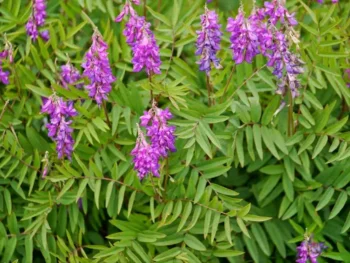
Standing about 2 feet tall when mature, alpine sweetvetch grows in an upright, erect form with fine-textured green foliage that stays dense throughout the growing season. The real showstopper comes in early summer when clusters of purple pea-like flowers appear, creating a lovely display that’s both eye-catching and beneficial for local wildlife.
Where Does Alpine Sweetvetch Call Home?
This plant is a true North American native, with natural populations spanning across Alaska, Canada, and several northern U.S. states including Maine, Michigan, Montana, Nebraska, New Hampshire, North Dakota, Rhode Island, South Dakota, Vermont, and Wyoming. It’s also found in several Canadian provinces from British Columbia to Newfoundland.
- Species observed
- No observations
Why Consider Alpine Sweetvetch for Your Garden?
Here’s where things get interesting – alpine sweetvetch offers several compelling reasons to earn a spot in your landscape:
- Extreme cold hardiness: This plant can survive temperatures as low as -62°F, making it perfect for northern gardens
- Rapid growth: Once established, it grows quickly and fills in spaces efficiently
- Pollinator magnet: Those purple flowers attract bees, butterflies, and other beneficial insects
- Low maintenance: Requires minimal fertilizer and has low drought tolerance, but thrives in average conditions
- Erosion control: The rhizomatous growth habit helps stabilize soil
What Kind of Garden Suits Alpine Sweetvetch?
Alpine sweetvetch isn’t meant for formal flower beds or manicured landscapes. Instead, it shines in:
- Naturalized wildflower gardens
- Native plant restoration projects
- Informal cottage gardens
- Areas where you need reliable ground cover
- Wildlife-friendly landscapes
Since it has a facultative upland to facultative wetland status (meaning it usually prefers drier sites but can tolerate some moisture), it’s quite flexible about placement in your landscape.
Growing Conditions and Care
The good news? Alpine sweetvetch is refreshingly undemanding. Here’s what it needs to thrive:
Soil requirements: Prefers coarse to medium-textured soils with good drainage. It’s adaptable to soils with pH ranging from 6.0 to 8.0 and has low fertility requirements.
Sunlight: This plant is shade intolerant, so give it full sun for best results.
Water needs: Medium moisture use with low drought tolerance – not a plant for xeriscaping, but not a water hog either.
Climate: Thrives in areas with at least 120 frost-free days and annual precipitation between 28-80 inches.
Planting and Propagation Tips
Alpine sweetvetch is readily available commercially and can be grown from seed or purchased as container plants. Here are some key points for success:
- Seed starting: Seeds require cold stratification before planting – nature’s way of ensuring they’re ready for spring growth
- Planting density: If seeding an area, use 5,120-20,000 seeds per acre
- Timing: Plant in spring after the last frost
- Establishment: Once planted, it has rapid regrowth after cutting and moderate vegetative spread
Pro tip: With approximately 70,000 seeds per pound, a little goes a long way when direct seeding!
The Bottom Line
Alpine sweetvetch might not win any beauty contests, but it’s the kind of reliable, hardworking plant that forms the backbone of a sustainable native landscape. If you’re gardening in zones 1-6 and want a low-maintenance perennial that supports pollinators while providing attractive purple blooms, this northern native deserves serious consideration.
Just remember – this isn’t a plant for hot, humid climates or formal garden settings. But if you’ve got the right conditions and appreciate plants that earn their keep while supporting local ecosystems, alpine sweetvetch could become one of your garden’s most valuable players.