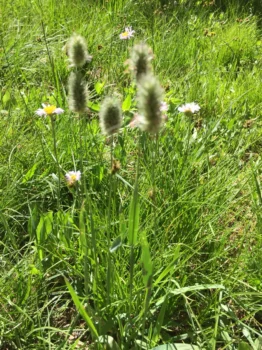
Alpine Timothy: A Hardy High-Altitude Grass for Cool Climate Gardens
If you’ve ever hiked through mountain meadows or alpine zones and noticed delicate grasses swaying in the cool breeze, you might have encountered alpine timothy (Phleum alpinum). This unassuming perennial grass might not win any beauty contests, but it’s a true champion of harsh conditions and an excellent choice for gardeners looking to create authentic alpine or naturalistic landscapes.
What is Alpine Timothy?
Alpine timothy is a native North American perennial grass that’s perfectly adapted to life in challenging conditions. Also known by its botanical name Phleum alpinum, this hardy grass forms neat bunches rather than spreading aggressively, making it a well-behaved addition to specialized garden settings.
This cool-season grass typically reaches about 1.4 feet in height and grows slowly, which means it won’t overwhelm other plants in your garden. Its fine-textured green foliage provides a subtle backdrop, while small yellowish flower spikes appear in late spring – though don’t expect a dramatic floral display.
Where Alpine Timothy Grows Wild
Alpine timothy has an impressive native range spanning much of northern North America. You’ll find it growing wild across Alaska, most Canadian provinces and territories, and throughout many western and northern U.S. states including Montana, Colorado, Idaho, Washington, Maine, and New Hampshire, among others. It also calls Greenland home, showcasing its remarkable cold tolerance.
- Species observed
- No observations
Why You Might (Or Might Not) Want to Grow Alpine Timothy
Reasons to consider alpine timothy:
- Extremely cold hardy (surviving temperatures as low as -43°F)
- Native plant that supports local ecosystems
- Low maintenance once established
- Excellent for erosion control on slopes
- Authentic choice for alpine or rock gardens
- Non-invasive bunch-forming growth habit
Reasons you might want to skip it:
- Limited ornamental value – it’s quite plain
- Very specific growing requirements
- Poor drought tolerance
- Slow growth rate
- Not suitable for warm climates
- Won’t thrive in typical suburban lawn conditions
Perfect Garden Settings for Alpine Timothy
Alpine timothy isn’t your typical landscaping grass, but it shines in specific garden types:
- Alpine gardens: Perfect for recreating high-elevation plant communities
- Rock gardens: Provides soft texture among hard stone elements
- Native plant gardens: Authentic choice for northern and mountain regions
- Restoration projects: Excellent for rehabilitating disturbed mountain or northern sites
- Naturalistic meadows: Great component of cool-climate wildflower meadows
Growing Conditions and Care
Alpine timothy is definitely a specialist plant with particular needs:
Climate: Thrives in USDA zones 2-7, with a strong preference for cooler climates. It needs at least 90 frost-free days but actually prefers cool summers.
Soil requirements: Prefers medium to fine-textured soils with good drainage. It can handle slightly acidic to neutral pH (5.0-7.5) and has medium fertility requirements.
Water needs: This grass has low drought tolerance and requires consistent moisture, though it doesn’t tolerate waterlogged conditions either. In different regions, it shows varying wetland preferences – from preferring upland sites in Alaska to favoring wetland edges in northeastern regions.
Light conditions: Alpine timothy tolerates partial shade, making it useful in areas that don’t receive full sun all day.
Planting and Establishment
Growing alpine timothy from seed is your best bet, as it’s routinely available commercially and produces about 1 million seeds per pound. Here’s how to succeed:
- Sow seeds in fall or early spring when temperatures are cool
- No cold stratification required, making it easier than many alpine plants
- Expect slow germination and establishment – patience is key
- Seedlings show medium vigor once they get going
- Allow plenty of space as mature clumps can spread slowly
Wildlife and Ecological Benefits
While alpine timothy might not attract bees like wildflowers do (it’s wind-pollinated), it still provides valuable ecological benefits. The seeds offer food for various bird species, particularly those adapted to mountain and northern environments. As a native grass, it also helps maintain the natural plant communities that wildlife depend on in alpine and northern regions.
The Bottom Line
Alpine timothy won’t be the star of your garden, but if you’re creating an authentic alpine landscape, restoring mountain habitat, or simply want a tough, native grass for challenging cool climates, it’s an excellent choice. Just remember that this is a plant with very specific needs – it won’t thrive in hot, dry conditions or typical suburban settings.
For gardeners in appropriate climates who appreciate subtle beauty and ecological authenticity over flashy ornamental appeal, alpine timothy offers the satisfaction of growing a truly remarkable plant that’s conquered some of the planet’s most challenging environments.