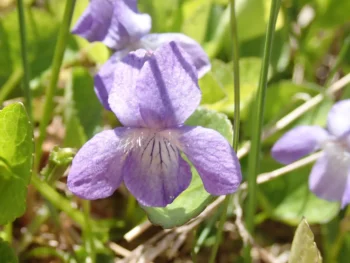
Alpine Violet: A Charming Native Groundcover for Cool Climate Gardens
If you’re looking for a delicate, low-maintenance groundcover that brings a touch of woodland magic to your garden, meet the alpine violet (Viola labradorica). This petite native perennial might be small in stature, but it’s big on charm and even bigger on ecological benefits.
What Makes Alpine Violet Special?
Alpine violet is a true North American native, naturally occurring across an impressive range from the arctic regions of Canada and Greenland all the way south into many northern U.S. states. You’ll find this hardy little forb thriving in locations as diverse as Alabama, Colorado, Maine, and even the Northwest Territories. Its extensive native range speaks to its adaptability and resilience.
- Species observed
- No observations
Also known by its botanical name Viola labradorica, this perennial forb creates lovely carpet-like patches with its heart-shaped leaves and tiny purple flowers. As a member of the violet family, it shares the characteristic charm of its more familiar cousins but with its own unique northern personality.
Garden Appeal and Landscape Role
Don’t expect alpine violet to steal the show with flashy blooms – its beauty lies in subtlety. The small, heart-shaped leaves form dense mats that rarely exceed a few inches in height, making it perfect for:
- Woodland garden groundcover
- Shaded rock gardens
- Naturalized areas under trees
- Borders along shaded pathways
- Areas where you want low-maintenance native coverage
The tiny purple flowers appear in spring and early summer, adding delicate splashes of color without overwhelming more prominent plantings. Think of alpine violet as the supporting actor that makes everyone else look better while quietly doing important ecological work.
Growing Conditions and Care
Alpine violet is refreshingly easy to please, especially if you can provide conditions that mimic its native woodland habitat:
Light: Shade to partial shade is ideal. This isn’t a sun-lover – it much prefers the dappled light found under trees or on the north side of buildings.
Soil: Moist, well-draining soil works best. It’s not particularly fussy about soil type but appreciates consistent moisture without being waterlogged.
Climate: Hardy in USDA zones 2-7, alpine violet thrives in cooler climates. If you’re gardening in hot southern regions, you might find it struggles with intense summer heat.
Water: Regular moisture is appreciated, but established plants show good drought tolerance. Its facultative wetland status means it can handle both moist and drier conditions once established.
Planting and Maintenance Tips
One of alpine violet’s best features is its low-maintenance nature. Here’s what you need to know:
- Plant in spring or fall when temperatures are cooler
- Space plants about 6-8 inches apart for groundcover purposes
- Water regularly the first year to help establishment
- Once established, it spreads naturally through runners
- May self-seed in favorable conditions
- Requires minimal fertilization – rich forest soil is its preference
- Winter hardy with no special protection needed in appropriate zones
Wildlife and Pollinator Benefits
As a native plant, alpine violet plays an important role in supporting local ecosystems. The small flowers attract various small pollinators including tiny bees, flies, and other beneficial insects. While the flowers may seem insignificant to us, they’re perfectly sized for smaller pollinators that often get overlooked in garden planning.
Is Alpine Violet Right for Your Garden?
Alpine violet is an excellent choice if you:
- Have shaded areas that need groundcover
- Want to support native plant communities
- Prefer low-maintenance plants
- Garden in cooler climates (zones 2-7)
- Appreciate subtle, woodland-style beauty
- Want to provide habitat for small native pollinators
However, you might want to consider alternatives if you’re looking for showy flowers, need plants for full sun locations, or garden in very hot climates where this cool-climate native might struggle.
The Bottom Line
Alpine violet may not be the showiest plant in the garden center, but it’s exactly the kind of quiet, dependable native that makes gardens more resilient and ecologically valuable. If you have shaded spots that need gentle groundcover and you’re gardening in its preferred cool climate range, this charming little violet could be the perfect addition to your landscape. Sometimes the best garden residents are the ones that do their job beautifully without making a fuss about it.