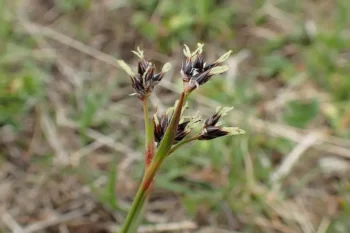
Alpine Woodrush: A Rare Arctic Beauty for Specialized Gardens
If you’re looking for the ultimate challenge in cold-climate gardening, meet alpine woodrush (Luzula alpinopilosa) – a tough little perennial that calls some of the coldest places on Earth home. This grass-like plant might not win any beauty contests, but it’s got character and resilience that would make a polar bear jealous.
What Is Alpine Woodrush?
Alpine woodrush is a native Alaskan perennial that belongs to the rush family. Don’t let the name fool you – it’s not actually a grass, though it certainly looks like one with its narrow, blade-like leaves and understated appearance. This hardy little plant is what botanists call a graminoid, which is fancy talk for grass-like but not quite grass.
You might also see it listed under its scientific synonym, Luzula spadicea, in older gardening references.
Where Does It Grow Naturally?
This arctic specialist is native to Alaska, where it thrives in the kind of conditions that would send most garden plants running for cover. In the wild, you’ll find it scattered across Alaska’s tundra and alpine regions, where it has adapted to short growing seasons, intense cold, and challenging growing conditions.
- Species observed
- No observations
Should You Plant Alpine Woodrush?
Here’s where we need to have a heart-to-heart: alpine woodrush is not for everyone. In fact, it’s not for most people. Unless you live in USDA hardiness zones 1-4 and have a serious passion for arctic plants, this one might be better left to specialized botanical collections.
The Good News
- Extremely cold hardy (we’re talking arctic-level tough)
- Native plant that supports local ecosystems
- Unique addition to alpine or rock gardens
- Low maintenance once established
- Interesting texture for specialized plant collections
The Reality Check
- Very limited growing range
- Difficult to source
- Requires specific cold conditions to thrive
- Not particularly showy or ornamental
- Challenging to establish outside its natural habitat
Growing Conditions and Care
If you’re determined to try growing alpine woodrush (and live somewhere cold enough), here’s what this arctic survivor needs:
Climate Requirements
- USDA hardiness zones 1-4
- Cool summers and very cold winters
- Short growing season tolerance
Soil and Site Conditions
- Well-draining soil (soggy conditions are a no-go)
- Tolerates poor, rocky soils
- Full sun to partial shade
- Cool, moist conditions during growing season
Planting and Maintenance
- Seeds require cold stratification (naturally adapted to freeze-thaw cycles)
- Best planted in fall or very early spring
- Minimal fertilizer needs
- Drought tolerant once established
- No pruning required
Design Ideas
If you’re lucky enough to garden in the right climate zone, alpine woodrush works best in:
- Alpine and rock gardens
- Native plant collections
- Naturalized arctic-themed landscapes
- Erosion control on slopes
- Ground cover in specialized cold-climate gardens
Wildlife and Ecological Benefits
While alpine woodrush might not be a pollinator magnet (it’s wind-pollinated), it does play a role in its native ecosystem. In Alaska, it provides ground cover and habitat structure for small arctic wildlife, and its seeds may provide food for birds adapted to harsh northern climates.
The Bottom Line
Alpine woodrush is definitely a niche plant – and we mean seriously niche. Unless you’re gardening in Alaska or another extremely cold climate, or you’re a collector of unusual arctic plants, you’ll probably want to skip this one. For most gardeners looking for native grasses or grass-like plants, there are much better options suited to your specific region.
But if you’re up in the far north and want to celebrate your local flora, alpine woodrush could be a fascinating addition to a specialized native garden. Just remember: this is one plant that truly lives up to its alpine name – it wants conditions that would make a snowman feel right at home!