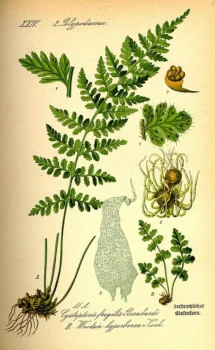
Alpine Woodsia: A Tiny Arctic Treasure for Specialized Gardens
Meet the alpine woodsia (Woodsia alpina), a petite fern that’s as tough as it is delicate. This little charmer might not win any size contests, but what it lacks in stature, it makes up for in resilience and unique beauty. If you’re looking for a plant that thrives where others fear to tread, this arctic native might just be your perfect match.
What Exactly Is Alpine Woodsia?
Alpine woodsia is a perennial fern that belongs to the cliff fern family. Don’t let the word alpine fool you into thinking it only grows on mountaintops – though it certainly does love those rocky, windswept places. This hardy little fern typically reaches just 2-8 inches in height, making it one of the more petite members of the fern world.
The fronds are finely divided and have a delicate, almost lacy appearance that belies their incredible toughness. Each frond emerges from a compact crown, creating small tufts of greenery that can squeeze into the tiniest rock crevices.
Where Does Alpine Woodsia Call Home?
This remarkable fern is a true North American native with an impressive range across some of the continent’s most challenging environments. You’ll find alpine woodsia naturally growing throughout Alaska, across Canada’s provinces and territories (including British Columbia, Manitoba, New Brunswick, Nova Scotia, Ontario, Quebec, Saskatchewan, Yukon, Northwest Territories, and Nunavut), and extending into several northern U.S. states including Maine, Michigan, Minnesota, New York, and Vermont. It’s also native to Greenland, making it a truly circumpolar species.
- Species observed
- No observations
Is Alpine Woodsia Right for Your Garden?
Here’s where things get interesting – and a bit challenging. Alpine woodsia isn’t your typical garden center find, and there’s a good reason for that. This fern has very specific needs that can be tricky to replicate in most garden settings.
The Good News:
- Extremely cold hardy (USDA zones 2-6)
- Requires minimal water once established
- Deer and rabbit resistant
- Adds unique texture to alpine and rock gardens
- Perfect for naturalized woodland edges
- Excellent for crevice gardens
The Challenges:
- Very specific growing requirements
- Difficult to find commercially
- Slow to establish
- Not suitable for traditional perennial borders
- Requires excellent drainage
Growing Conditions: Meeting Alpine Woodsia’s Needs
If you’re determined to grow alpine woodsia, you’ll need to think like a mountain. This fern thrives in well-drained, rocky or gravelly soil with excellent drainage – think water runs through it like a sieve kind of drainage. It prefers partial shade to full sun and appreciates cool temperatures year-round.
The key to success is replicating its natural habitat: rock crevices, cliff faces, and alpine scree slopes. A rock garden with plenty of stone chips, sand, and minimal organic matter is your best bet.
Garden Design Ideas
Alpine woodsia shines in specialized garden settings:
- Rock Gardens: Tuck it between boulders where it can spread naturally
- Crevice Gardens: Perfect for those narrow spaces between stone slabs
- Alpine Gardens: Pairs beautifully with other high-altitude natives
- Naturalized Areas: Great for woodland edges with rocky soil
Wildlife and Ecosystem Benefits
While alpine woodsia doesn’t produce flowers to attract pollinators (it reproduces via spores like all ferns), it does provide habitat for small insects and adds to the biodiversity of alpine ecosystems. In its native range, it helps stabilize soil and provides ground cover in harsh environments where few other plants can survive.
The Bottom Line
Alpine woodsia is definitely not a plant for everyone or every garden. It’s a specialist that requires specific conditions and patience. However, for gardeners with rocky, well-drained sites in colder climates who appreciate unique, native plants, it can be a rewarding addition.
If you’re interested in trying alpine woodsia, source your plants responsibly from native plant societies or specialized nurseries. Given its specific needs and slow growth, this isn’t a fern to collect from the wild.
For most gardeners, easier native fern alternatives might include Christmas fern, lady fern, or royal fern, depending on your region and growing conditions. But if you’re up for the challenge and have the right spot, alpine woodsia offers a unique way to bring a piece of the arctic home to your garden.