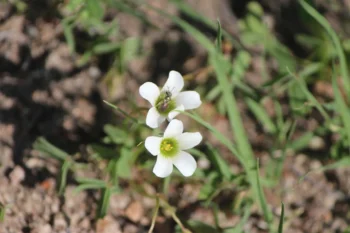
Alpine Woodsorrel: A Delicate Southwestern Native Worth Protecting
Meet alpine woodsorrel (Oxalis alpina), a charming little native plant that’s quietly making its mark in the rocky landscapes of the American Southwest. This petite perennial might not be the showiest plant in your garden, but it’s got character, resilience, and an important story to tell about conservation.
What Makes Alpine Woodsorrel Special?
Alpine woodsorrel is a delicate forb—essentially a soft-stemmed herbaceous plant—that brings a touch of woodland charm to arid landscapes. You might also see it listed under its former scientific names, Oxalis metcalfei or Oxalis monticola, but don’t let the name confusion fool you. This is one special little plant.
As a native species to the lower 48 states, alpine woodsorrel has been quietly thriving in Arizona, New Mexico, and Texas long before any of us started thinking about native gardening. However, there’s something important you should know: this plant has a Global Conservation Status of S3S4, which means it’s considered somewhat rare and potentially vulnerable.
- Species observed
- No observations
Why Your Garden Needs Alpine Woodsorrel (But Choose Wisely)
Here’s where things get interesting. Alpine woodsorrel is exactly the kind of plant that native gardening enthusiasts should be excited about—but with an important caveat. Because of its rarity status, you’ll want to be extra careful about sourcing.
Only plant alpine woodsorrel if you can find responsibly sourced material. This means purchasing from reputable native plant nurseries that propagate their own stock rather than wild-collecting. Never dig plants from the wild, and always verify that your source is legitimate.
Garden Appeal and Design Role
Don’t expect alpine woodsorrel to be your garden’s main attraction—this plant is more about subtle beauty and ecological function. The typical wood sorrel features include:
- Delicate, heart-shaped leaflets arranged in threes
- Small, cheerful yellow flowers
- Low-growing, ground-hugging habit
- Fine-textured foliage that adds delicate contrast to coarser plants
This makes alpine woodsorrel perfect for rock gardens, native plant collections, or as a living mulch beneath larger southwestern natives. It’s particularly at home in xeriphytic landscapes where its drought tolerance really shines.
Growing Conditions and Care
The good news? Alpine woodsorrel isn’t particularly fussy once you understand its preferences. Coming from the rocky, well-draining soils of the Southwest, it thrives in USDA hardiness zones 6-9 with these conditions:
- Soil: Well-draining is non-negotiable. Rocky, sandy, or gravelly soils are ideal
- Light: Partial shade to full sun, though some protection from intense afternoon sun is appreciated
- Water: Drought-tolerant once established, but appreciates occasional deep watering during extremely dry periods
- Maintenance: Refreshingly low-maintenance once settled in
Planting and Care Tips
Starting with alpine woodsorrel requires patience and the right approach:
- Plant in fall or early spring when temperatures are mild
- Ensure excellent drainage—this plant will sulk (or worse) in soggy soil
- Start with small plants rather than seeds, as they’re more reliable
- Mulch lightly with gravel or small stones rather than organic mulch
- Water deeply but infrequently once established
Supporting Pollinators and Wildlife
While alpine woodsorrel may be small, it still plays its part in the local ecosystem. The modest yellow flowers provide nectar for small pollinators, including native bees and beneficial flies. It’s not going to single-handedly save the pollinators, but every little bit helps, especially when you’re working with truly native species.
The Bottom Line
Alpine woodsorrel represents something special in native gardening: a chance to grow a truly local plant that needs our help. Yes, its rarity status means you need to be extra careful about sourcing, and yes, it’s not going to wow visitors with flashy blooms. But for gardeners who appreciate subtle beauty and want to support conservation through responsible cultivation, alpine woodsorrel offers a meaningful way to connect with the native landscapes of the Southwest.
Just remember: responsible sourcing is key. This little plant has already faced enough challenges in the wild—let’s make sure our gardens become part of the solution, not part of the problem.