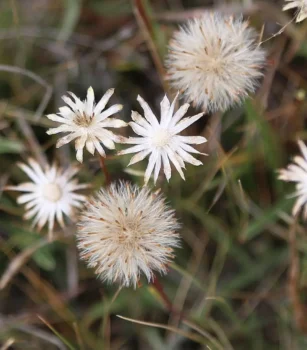
Alpineflames: A Hidden Gem for Your Rock Garden
Meet alpineflames (Pyrrocoma apargioides), a charming little wildflower that’s been quietly brightening up the mountains of the American West for centuries. If you’re looking to add some authentic western flair to your garden while supporting native pollinators, this delightful perennial might just be your new best friend.
What Makes Alpineflames Special?
Alpineflames is a native forb – essentially a non-woody perennial plant that dies back to ground level each winter and returns with fresh growth in spring. This tough little survivor belongs to the sunflower family and produces cheerful yellow, daisy-like blooms that seem to glow against its silvery-green foliage.
You might also see this plant listed under its synonym, Haplopappus apargioides, in older gardening references, but Pyrrocoma apargioides is the current accepted botanical name.
Where Does Alpineflames Call Home?
This true western native grows naturally in California, Nevada, and Utah, typically at higher elevations where it has adapted to harsh mountain conditions. Being a native species means it’s perfectly suited to support local ecosystems and wildlife.
- Species observed
- No observations
Why Your Garden (and Local Wildlife) Will Love It
Here’s where alpineflames really shines:
- Pollinator magnet: Those bright yellow flowers are irresistible to native bees, butterflies, and other beneficial insects
- Low maintenance: Once established, it’s incredibly drought tolerant and requires minimal care
- Authentic beauty: Brings genuine western mountain character to your landscape
- Compact size: Perfect for smaller spaces and specialized garden areas
Perfect Garden Spots for Alpineflames
This isn’t your typical border perennial – alpineflames has specific preferences that make it ideal for certain garden styles:
- Rock gardens: Its natural mountain habitat makes it perfect among stones and boulders
- Alpine gardens: Pairs beautifully with other high-elevation natives
- Xeriscape designs: Excellent choice for water-wise landscaping
- Native plant gardens: Essential for authentic regional plant communities
Growing Alpineflames Successfully
The key to happy alpineflames is thinking like a mountain: provide excellent drainage, plenty of sun, and don’t coddle it with too much water or rich soil.
Ideal Growing Conditions:
- Sunlight: Full sun (6+ hours daily)
- Soil: Well-draining, sandy or rocky soil preferred
- Water: Drought tolerant once established; avoid overwatering
- Hardiness: Thrives in USDA zones 4-8
Planting and Care Tips
Getting started with alpineflames is refreshingly straightforward:
- Plant in spring after the last frost
- Ensure excellent drainage – this is non-negotiable
- Water regularly the first season to establish roots
- Once established, water sparingly
- No fertilizer needed – it actually prefers lean soils
- Allow plants to go dormant naturally in winter
Important Conservation Note
Here’s something crucial to know: alpineflames has a Global Conservation Status of S3S4, indicating it may be somewhat rare or uncommon in parts of its range. This makes it even more special, but it also means we need to be responsible gardeners. If you decide to grow alpineflames, make sure you source your plants or seeds from reputable native plant nurseries that ethically propagate their stock rather than wild-collecting.
The Bottom Line
Alpineflames offers gardeners a chance to grow something truly special – a beautiful native plant that supports local wildlife while requiring minimal resources once established. It’s not the right choice for every garden, but if you have a sunny spot with excellent drainage and appreciate the rugged beauty of western wildflowers, this little gem could be exactly what you’re looking for.
Just remember to source it responsibly, give it the well-draining conditions it craves, and prepare to enjoy a front-row seat to the parade of pollinators it will inevitably attract to your garden.