Altai Fescue: A Hardy Native Grass for Northern Gardens
If you’re looking for a tough, low-maintenance native grass that can handle whatever Mother Nature throws at it, let me introduce you to Altai fescue (Festuca altaica). This unsung hero of the grass world might not win any beauty contests, but it’s got character, resilience, and a whole lot of practical benefits for gardeners in northern climates.
What Exactly is Altai Fescue?
Altai fescue is a perennial grass that’s as hardy as they come. You might also see it listed under its botanical synonyms like Festuca scabrella, but don’t let the scientific names intimidate you – this is simply a reliable, native North American grass that knows how to survive and thrive in challenging conditions.
Where Does It Call Home?
This grass is a true northerner, native to Alaska, Canada, and the northern United States. You’ll find it naturally growing across an impressive range including Alberta, British Columbia, Alaska, Manitoba, Quebec, Saskatchewan, Yukon, Northwest Territories, Michigan, Labrador, and Newfoundland. It’s perfectly adapted to cold climates and short growing seasons.
- Species observed
- No observations
What Does Altai Fescue Look Like?
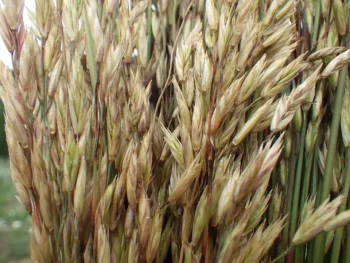
Altai fescue forms attractive clumps of fine-textured, blue-green to gray-green foliage that adds a subtle, naturalistic beauty to any landscape. In summer, it produces delicate seed heads that dance in the breeze and add movement to your garden. While it won’t stop traffic with flashy blooms, its understated elegance and natural form make it a perfect backdrop for showier native wildflowers.
Why Should You Consider Planting It?
Here’s where Altai fescue really shines:
- Ultra-hardy: Thrives in USDA zones 2-6, making it perfect for northern gardeners
- Drought tolerant: Once established, it needs very little supplemental watering
- Low maintenance: Plant it and pretty much forget about it
- Wildlife friendly: Provides habitat and nesting material for native bees and other beneficial insects
- Versatile: Works great in native plant gardens, prairie restorations, rock gardens, and slope stabilization
- Ecologically responsible: As a native species, it supports local ecosystems without becoming invasive
Where Does It Grow Best?
Altai fescue is pretty adaptable when it comes to moisture conditions. In Alaska, it’s considered facultative, meaning it can handle both wet and dry conditions. In other regions, it typically prefers well-drained, upland sites but can tolerate some moisture variation. This flexibility makes it an excellent choice for gardeners dealing with variable conditions.
Growing Altai Fescue Successfully
The beauty of this grass lies in its simplicity. Here’s how to grow it successfully:
- Light: Full sun to partial shade – it’s not picky
- Soil: Well-drained soils are preferred, but it adapts to various soil types
- Water: Drought tolerant once established; water regularly during the first growing season
- Planting time: Spring or fall are ideal for seeding or transplanting
- Spacing: Allow room for clumps to expand naturally
Perfect Garden Partners
Altai fescue plays well with others and makes an excellent foundation plant in native gardens. Try pairing it with other northern natives like wild bergamot, purple coneflower, or little bluestem for a naturalistic prairie look. It also works beautifully as a groundcover alternative in areas where traditional lawn grass struggles.
The Bottom Line
While Altai fescue might not be the flashiest plant in your garden center, it’s exactly the kind of reliable, native species that creates the backbone of sustainable, low-maintenance landscapes. If you’re gardening in zones 2-6 and want a grass that will thrive without constant babying, give this northern native a try. Your local ecosystem – and your weekend schedule – will thank you for it.