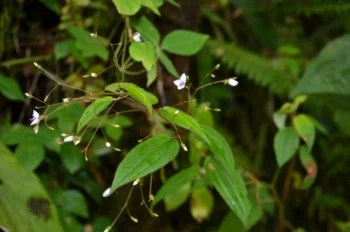
Altea (Nepsera aquatica): A Mysterious Caribbean Native Worth Knowing
If you’re passionate about native plants and love discovering botanical treasures, you might be intrigued by altea, a little-known perennial herb native to the Caribbean. While this plant flies under the radar in most gardening circles, it represents the fascinating diversity of native flora in Puerto Rico and the U.S. Virgin Islands.
What is Altea?
Altea (Nepsera aquatica) is a perennial forb – essentially a non-woody herbaceous plant that comes back year after year. Unlike shrubs or trees, this plant lacks significant woody tissue above ground, making it more similar to your typical garden perennials in structure. It’s also known by its botanical synonym Melastoma aquaticum, which hints at its connection to the melastome family.
Where Does Altea Grow Naturally?
This Caribbean native calls Puerto Rico and the U.S. Virgin Islands home. Its natural range is quite limited, making it a true regional specialty. In these tropical and subtropical locations, altea has found its niche in the local ecosystem.
- Species observed
- No observations
Habitat Preferences: A Love for Wetlands
Here’s where things get interesting – altea is classified as a Facultative Wetland plant in the Caribbean region. This means it usually prefers wetland environments but can tolerate non-wetland conditions too. Think of it as a plant that loves having its feet wet but won’t throw a tantrum if things dry out occasionally.
This wetland preference gives us some clues about where altea might thrive in cultivation:
- Near water features like ponds or streams
- In rain gardens or bioswales
- Areas with consistent moisture
- Spots that occasionally flood but also drain
The Challenge of Growing Altea
Here’s where we need to be honest – altea is something of a botanical mystery. Despite being a native species, there’s surprisingly little information available about its specific growing requirements, appearance, or cultivation needs. This isn’t uncommon with rare or understudied native plants, especially those from smaller geographic regions.
If you’re determined to grow altea, you’ll need to become a bit of a plant detective. Since it’s a facultative wetland species, you can assume it prefers:
- Moist to wet soil conditions
- Tropical to subtropical climates (likely USDA zones 10-11, based on its native range)
- Possibly some protection from harsh sun, given its wetland nature
Should You Plant Altea?
The decision to plant altea comes with both excitement and challenges. On the positive side, you’d be supporting a native Caribbean species and potentially helping preserve genetic diversity. Native plants are always valuable for supporting local ecosystems, even if we don’t know all the specific wildlife benefits yet.
However, the practical challenges are significant:
- Finding plant material may be extremely difficult
- Growing requirements are largely unknown
- Success rates would be uncertain
Alternative Native Options
If you’re gardening in Puerto Rico or the U.S. Virgin Islands and love the idea of wetland natives, consider exploring other better-documented Caribbean native plants that thrive in moist conditions. Your local native plant society or agricultural extension office can provide excellent alternatives that offer similar ecological benefits with more reliable growing information.
The Bottom Line
Altea represents the wonderful diversity of Caribbean native flora, but it’s definitely a plant for the adventurous gardener. If you can source it responsibly and have the right wetland-like conditions, it could be a fascinating addition to a native plant collection. Just be prepared for some trial and error, and consider it more of a conservation project than a guaranteed garden success.
Sometimes the most rewarding plants are the ones that challenge us to learn, adapt, and contribute to preserving botanical heritage – even when they keep some of their secrets to themselves.