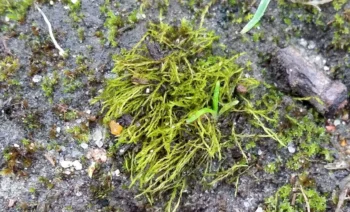
Alternateleaf Archidium Moss: A Tiny Native Wonder in Your Garden
If you’ve ever taken a close look at the shaded corners of your garden, you might have spotted tiny, clustered green patches growing on soil, rocks, or old logs. Meet the alternateleaf archidium moss (Archidium alternifolium), a diminutive native moss that’s quietly doing important work in North American ecosystems.
What Exactly Is Alternateleaf Archidium Moss?
This little moss belongs to the bryophyte family – those ancient, non-flowering plants that have been carpeting the earth for millions of years. Alternateleaf archidium moss is what botanists call a terrestrial species, meaning it grows on solid surfaces like soil, rocks, and decaying wood rather than floating around in water.
You might also see this moss referred to by its scientific synonyms, including Archidium longifolium or Pleuridium alternifolium, if you’re diving into older botanical literature. But don’t let the fancy names intimidate you – this is simply a humble, herbaceous moss doing its thing in the shadowy understory.
Where Does It Call Home?
This native North American moss has made itself at home across a wide swath of the continent. You’ll find it naturally occurring from southern Canada down through the eastern and central United States, extending all the way to the Gulf Coast states. It’s quite the traveler for such a tiny plant!
Spotting Alternateleaf Archidium Moss in the Wild
Identifying this moss requires getting down to ground level – literally. Here’s what to look for:
- Tiny, clustered growth patterns that form small patches
- Preference for moist, shaded locations
- Often found growing on bare soil, rocks, or rotting logs
- Bright green color when moist, may appear brownish when dry
- Very small size – you’ll need to look closely to appreciate its structure
Is This Moss Beneficial for Your Garden?
Absolutely! While alternateleaf archidium moss won’t provide nectar for bees or butterflies (mosses reproduce through spores, not flowers), it offers other valuable ecosystem services:
- Helps prevent soil erosion on slopes and disturbed areas
- Creates microhabitats for tiny insects and soil organisms
- Indicates healthy, moist soil conditions in your garden
- Adds natural texture and authentic woodland character to shaded areas
- Requires zero maintenance once established naturally
Creating Moss-Friendly Conditions
Rather than trying to plant this moss directly, focus on creating the conditions it loves:
- Maintain consistently moist (not waterlogged) soil in shaded areas
- Avoid using herbicides or fertilizers in woodland garden areas
- Leave some bare soil patches in shaded locations
- Keep old logs or rocks in place where mosses can colonize naturally
- Be patient – mosses establish slowly but surely over time
The Bottom Line
Alternateleaf archidium moss might not be the showstopper of your garden, but it’s a valuable native species that contributes to healthy woodland ecosystems. If you spot these tiny green clusters in your shaded garden areas, consider yourself lucky to host this quiet but important member of North America’s native plant community. Rather than trying to remove it, embrace its presence as a sign of a thriving, naturalistic garden ecosystem.
Sometimes the smallest natives make the biggest difference – and this little moss is proof that good things definitely come in tiny packages!