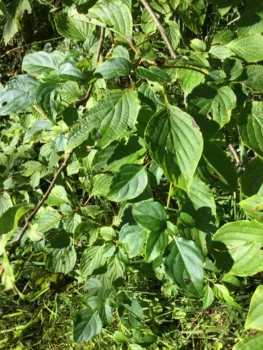
Alternateleaf Dogwood: A Native Gem for Shade Gardens
If you’re looking for a native plant that brings both elegance and ecological value to your shade garden, let me introduce you to the alternateleaf dogwood (Cornus alternifolia). This distinctive North American native might just become your new favorite understory tree, and here’s why it deserves a spot in your landscape.
What Makes Alternateleaf Dogwood Special?
The alternateleaf dogwood, also known by its synonym Swida alternifolia, is a perennial shrub or small tree that stands out from other dogwoods in a pretty remarkable way. While most dogwoods have opposite leaves, this rebel has alternate leaves (hence the name!). But what really makes it shine is its growth habit – it develops these gorgeous horizontal tiers of branches that create a distinctly architectural look in the garden.
As a multi-stemmed woody plant, it typically grows as a large shrub but can reach up to 25 feet tall at maturity, though it usually stays smaller in most garden settings. Don’t worry about waiting forever to see results – this beauty has a moderate growth rate, so you’ll see meaningful progress within a few growing seasons.
Where It Calls Home
This dogwood is a true North American native, naturally found throughout Canada and the lower 48 states. Its impressive range spans from Newfoundland to Manitoba in the north, and extends south to Florida, Alabama, and west to places like Iowa and Arkansas. It’s also native to St. Pierre and Miquelon.
- Species observed
- No observations
A Plant for All Seasons
One of the best things about alternateleaf dogwood is its year-round interest. In mid-spring, it produces clusters of small white flowers that may not be showy from a distance, but up close they’re quite lovely and attract pollinators. The real show begins in summer when dark blue-black fruits appear on bright red stems – it’s a stunning contrast that birds absolutely love.
Fall is when this plant really steals the show. The dark green summer foliage transforms into brilliant yellows and reds, making it a standout performer in the autumn garden. Even in winter, its distinctive horizontal branching pattern provides structural interest when many other plants have gone dormant.
Perfect Spots for Planting
Alternateleaf dogwood is incredibly versatile in the landscape. Here are some ideal uses:
- Woodland gardens where it can serve as a natural understory element
- Shade gardens that need structure and seasonal interest
- Naturalized landscapes and wildlife gardens
- As a specimen plant where its unique form can be appreciated
- Mixed native plantings for ecological restoration
Growing Conditions That Make It Happy
The great news is that alternateleaf dogwood isn’t particularly fussy, but it does have some preferences:
- Light: Shade tolerant – actually prefers partial shade to full shade
- Soil: Adapted to medium-textured soils with good drainage
- Moisture: Medium moisture needs – not drought tolerant, so consistent moisture is key
- pH: Adaptable to acidic conditions (pH 4.8-7.3)
- Hardiness: Zones 3-7, incredibly cold hardy down to -47°F
Regarding moisture, this plant has a facultative wetland status in most regions, meaning it can handle both wetland and upland conditions, though it typically prefers non-wetland sites. This flexibility makes it easier to site in various garden conditions.
Planting and Care Tips
Getting your alternateleaf dogwood established is pretty straightforward:
- When to plant: Spring or fall, avoiding the hottest summer months
- Spacing: Allow plenty of room – mature plants can spread as wide as they are tall
- Soil prep: Ensure good drainage but maintain consistent moisture
- Mulching: A 2-3 inch layer of organic mulch helps retain moisture and suppress weeds
- Watering: Regular watering during establishment, then maintain consistent moisture
One thing to note: this plant has low drought tolerance, so don’t expect it to thrive in dry, exposed locations. It’s much happier in the dappled light and consistent moisture of a woodland setting.
Propagation Possibilities
If you want to grow more alternateleaf dogwoods, you have several options. Seeds can be collected from the fall fruits (about 8,000 seeds per pound!), though they require cold stratification and have low seedling vigor. Cuttings are often more reliable, and the plant can also be grown from bare root or container stock.
Wildlife and Ecological Benefits
As a native plant, alternateleaf dogwood pulls its weight in supporting local ecosystems. The flowers provide nectar for various pollinators during their mid-spring bloom period, while the dark berries are valuable food for birds throughout summer and fall. The layered branching structure also provides excellent nesting sites for various bird species.
Is Alternateleaf Dogwood Right for Your Garden?
This native beauty is an excellent choice if you have a shaded or partially shaded area that needs year-round structure and seasonal interest. It’s particularly valuable for gardeners who want to support native ecosystems while enjoying an attractive, low-maintenance plant.
However, it might not be the best fit if you’re looking for a drought-tolerant plant for full sun locations, or if you need something for very wet, boggy conditions. Its moderate growth rate also means patience is required for those wanting immediate impact.
Overall, alternateleaf dogwood offers a wonderful combination of beauty, ecological value, and adaptability that makes it a worthy addition to shade gardens throughout its native range. Give it the right conditions, and this distinctive dogwood will reward you with years of multi-season interest and wildlife activity.