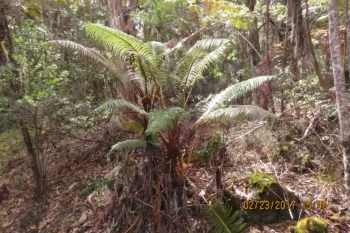
Ama’u Fern: A Delicate Hawaiian Native Worth Protecting
If you’re passionate about native Hawaiian gardening, you’ve likely encountered the graceful ama’u fern in the wild. This delicate beauty, scientifically known as Sadleria pallida, represents one of Hawaii’s more vulnerable native species that deserves a special place in our conservation efforts and thoughtfully designed gardens.
What Makes Ama’u Special?
Ama’u is a perennial fern native exclusively to the Hawaiian Islands. Unlike the more robust ferns you might be familiar with, ama’u presents itself as a refined, almost ethereal presence in the forest understory. Its light green fronds create delicate, feathery patterns that dance gently in Hawaii’s trade winds.
This isn’t your typical backyard fern. Ama’u has earned a Global Conservation Status of S3, meaning it’s considered vulnerable throughout its range. With typically only 21 to 100 occurrences and between 3,000 to 10,000 individuals remaining, this fern is walking a tightrope between thriving and disappearing.
Where You’ll Find Ama’u
Ama’u calls Hawaii home and only Hawaii. You won’t find this species anywhere else in the world, making it a true endemic treasure of the islands.
- Species observed
- No observations
Garden Role and Landscape Design
In the right garden setting, ama’u serves as an exquisite understory accent plant. Its delicate nature makes it perfect for:
- Native Hawaiian restoration gardens
- Shade gardens with filtered light
- Woodland garden designs
- Rain gardens and naturalistic landscapes
The fern’s graceful form adds texture and movement to shaded areas where other plants might struggle. Its light green coloration provides a beautiful contrast against darker foliage plants.
Growing Conditions and Care
Ama’u is quite particular about its living conditions, which partly explains its vulnerable status. Here’s what this fern needs to thrive:
- Light: Partial to full shade – direct sunlight will stress this delicate species
- Soil: Moist, well-draining soil rich in organic matter
- Humidity: High humidity levels (typical of Hawaiian mesic to wet forests)
- Water: Consistent moisture without waterlogging
- Temperature: USDA hardiness zones 10-12 (tropical to subtropical conditions)
Wetland Flexibility
One interesting characteristic of ama’u is its facultative wetland status. This means the fern can adapt to both wetland and non-wetland conditions, though it clearly prefers consistently moist environments. This flexibility makes it suitable for rain gardens or areas with variable moisture levels.
A Word of Caution: Responsible Cultivation
Here’s where things get important: because ama’u has a vulnerable conservation status, we strongly recommend only planting this species if you can source it responsibly. This means:
- Purchase only from reputable native plant nurseries
- Ensure plants are nursery-propagated, not wild-collected
- Never harvest from wild populations
- Consider supporting local conservation efforts for this species
Wildlife and Ecosystem Benefits
While ama’u doesn’t produce flowers to attract pollinators (being a fern and all), it plays an important role in Hawaii’s native ecosystem. The fern provides habitat structure in forest understories and contributes to the complex web of native Hawaiian plant communities that support endemic insects and other wildlife.
The Bottom Line
Ama’u fern represents both an opportunity and a responsibility. If you have the right conditions – consistent shade, moisture, and high humidity – and can source plants responsibly, this delicate native can add authentic Hawaiian character to your garden. However, its vulnerable status means we should approach cultivation thoughtfully, always prioritizing conservation over mere garden aesthetics.
Consider ama’u not just as a garden plant, but as a living piece of Hawaiian natural heritage that deserves our protection and respect. By growing it responsibly, you’re participating in the preservation of Hawaii’s unique botanical legacy.