Amazon Waterlily: A Stunning Native Aquatic Beauty for Your Water Garden
If you’re dreaming of transforming your pond or water feature into a tropical paradise, the Amazon waterlily (Nymphaea amazonum) might just be the perfect centerpiece you’ve been searching for. This gorgeous native aquatic plant brings both beauty and ecological value to water gardens throughout its native range.
What Makes the Amazon Waterlily Special?
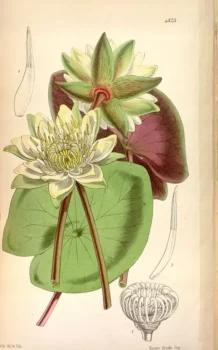
The Amazon waterlily is a perennial forb that lacks woody tissue, making it a true herbaceous aquatic plant. Also known by its botanical synonym Castalia amazonum, this stunning waterlily produces classic white flowers with bright yellow centers that float gracefully on the water’s surface alongside circular, lily pad leaves.
As an obligate wetland plant, the Amazon waterlily almost always occurs in wetland environments, making it perfectly adapted for life in and around water.
Where Does It Naturally Grow?
This beautiful waterlily is native to Puerto Rico, where it thrives in the warm, tropical climate. Its natural habitat consists of ponds, slow-moving waterways, and other freshwater aquatic environments throughout the region.
- Species observed
- No observations
Why Choose Amazon Waterlily for Your Garden?
There are several compelling reasons to consider adding this native beauty to your water feature:
- Native plant benefits: Supporting local ecosystems by choosing native species
- Stunning visual appeal: Classic white and yellow waterlily flowers create an elegant focal point
- Surface coverage: Floating leaves provide natural shade and help control algae growth
- Pollinator support: Flowers attract beneficial insects including beetles and flies
- Low maintenance: Once established, requires minimal care
Ideal Growing Conditions
Amazon waterlily thrives in warm, tropical to subtropical climates, typically suited for USDA hardiness zones 9-11. Here’s what this aquatic beauty needs to flourish:
- Water depth: Plant containers should be submerged 1-3 feet below the water surface
- Sunlight: Full sun to partial shade (at least 4-6 hours of direct sunlight)
- Water temperature: Warm water temperatures year-round
- Water movement: Still or very slow-moving water
Perfect Garden Settings
This waterlily works wonderfully in various aquatic garden designs:
- Formal water gardens and ornamental ponds
- Natural-style bog gardens
- Tropical landscape water features
- Wildlife-friendly pond ecosystems
Planting and Care Tips
Growing Amazon waterlily successfully is quite straightforward once you understand its needs:
Planting: Use a wide, shallow container filled with heavy garden soil or aquatic planting medium. Avoid potting soil, which will float and cloud the water. Place the container at the appropriate depth in your pond or water feature.
Maintenance: Remove spent flowers and yellowing leaves regularly to keep the plant looking its best and prevent decay in the water. During the growing season, you may want to divide overcrowded plants to maintain healthy growth.
Winter care: In zones where temperatures drop, you may need to move containers to deeper water or provide protection during cooler months.
A Word About Responsible Gardening
When adding any aquatic plant to your garden, it’s important to prevent accidental spread to natural waterways. Always contain waterlilies within your designed water feature and dispose of plant material responsibly.
The Bottom Line
Amazon waterlily offers water gardeners in suitable climates a chance to grow a truly stunning native aquatic plant. With its classic beauty, ecological benefits, and relatively easy care requirements, it’s an excellent choice for anyone looking to create a tropical water garden paradise. Just remember to provide warm conditions, adequate sunlight, and proper water depth, and you’ll be rewarded with gorgeous blooms and lush foliage that brings both beauty and biodiversity to your aquatic landscape.