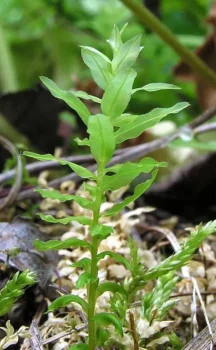
Ambiguous Calcareous Moss: A Tiny Native Wonder for Your Garden
Meet Mnium ambiguum, better known as ambiguous calcareous moss – a charming little native that might just be the garden helper you never knew you needed. While most gardeners focus on showy flowers and towering trees, this modest moss quietly does its part to create healthy, sustainable landscapes across North America.
What Exactly Is Ambiguous Calcareous Moss?
Don’t let the scientific name intimidate you – Mnium ambiguum is simply a small, terrestrial moss that’s been carpeting forest floors and rocky outcrops for millennia. As a bryophyte (that’s the fancy term for the moss family), it’s one of those ancient plants that helps bridge the gap between water and land in the plant kingdom.
This little green wonder gets its ambiguous name partly because it can be tricky to distinguish from its moss cousins without a close look. The calcareous part tells us something important – this moss has a particular fondness for limestone-rich environments.
Where You’ll Find This Native Treasure
Ambiguous calcareous moss is a true North American native, making its home primarily across the eastern and central regions of the continent. It’s particularly happy in areas where the soil has some limestone influence, which explains its scientific surname.
How to Spot Mnium ambiguum in the Wild
Identifying this moss takes a bit of detective work, but here are the key features to look for:
- Small, delicate plants typically growing in patches or mats
- Bright to dark green coloration depending on moisture and light conditions
- Prefers to grow on soil, rocks, or decaying wood rather than tree bark
- Often found in shaded, moist locations with calcareous substrates
- Forms low-growing carpets that hug the ground closely
Is This Moss Beneficial for Your Garden?
Absolutely! While ambiguous calcareous moss might not grab attention like a showstopping perennial, it brings several quiet benefits to garden ecosystems:
- Helps prevent soil erosion on slopes and bare patches
- Retains moisture in the soil, reducing watering needs
- Provides habitat for tiny beneficial insects and soil organisms
- Adds natural texture and year-round green color to shaded areas
- Requires zero fertilizers or pesticides – it’s naturally low-maintenance
Creating Moss-Friendly Conditions
If you’re lucky enough to have ambiguous calcareous moss appear naturally in your garden, consider it a sign of a healthy ecosystem! To encourage its presence:
- Maintain shaded, moist areas in your landscape
- Avoid using herbicides or fungicides that might harm beneficial bryophytes
- Consider leaving some areas wild rather than heavily managed
- If you have limestone or chalk in your soil, embrace it rather than trying to change it
The Bottom Line on This Tiny Native
Ambiguous calcareous moss might not be the star of your garden show, but it’s definitely part of the supporting cast that makes native ecosystems thrive. This humble little moss represents the kind of overlooked native species that quietly contribute to biodiversity and ecosystem health.
Rather than trying to eliminate every bit of moss from your landscape, consider appreciating these tiny natives for what they are – ancient, resilient plants that have been perfecting the art of sustainable living for millions of years. Sometimes the smallest garden residents teach us the biggest lessons about working with nature instead of against it.