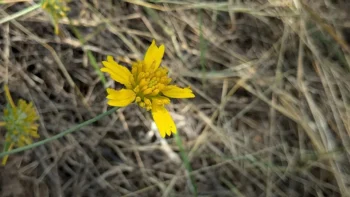
Amblyolepis: A Little-Known Texas Native Worth Investigating
If you’ve stumbled across the name Amblyolepis in your native plant research, you’re not alone in wondering what exactly this mysterious plant is all about. Sometimes called simply amblyolepis, this native Texas wildflower is one of those under-the-radar species that doesn’t get much attention in mainstream gardening circles.
What Exactly Is Amblyolepis?
Amblyolepis is a native annual forb found in Texas. As a forb, it’s essentially a soft-stemmed flowering plant – think of it as the botanical equivalent of a wildflower rather than a woody shrub or tree. Like many of our native annuals, it completes its entire life cycle in a single growing season, sprouting from seed, flowering, setting seed, and then dying back when conditions become unfavorable.
Where You’ll Find It Growing Wild
This native beauty calls Texas home, though exactly where in the Lone Star State it prefers to grow isn’t well-documented in common gardening resources. Like many native Texas wildflowers, it likely thrives in the state’s diverse ecosystems, from prairie grasslands to rocky outcrops.
- Species observed
- No observations
The Mystery of Limited Information
Here’s where things get interesting (and a bit frustrating for curious gardeners): Amblyolepis is one of those plants that seems to fly under the radar of most gardening and botanical resources. While we know it’s a Texas native annual forb, details about its appearance, growing requirements, and garden potential are surprisingly scarce.
This doesn’t necessarily mean it’s a bad plant – it might simply be:
- A regional specialist that grows in very specific habitats
- A plant that hasn’t been widely studied or cultivated
- Part of a plant group that’s still being sorted out taxonomically
- Simply overlooked by the mainstream gardening world
Should You Try Growing Amblyolepis?
The honest answer is: it’s complicated. Without clear information about its growing requirements, appearance, or garden behavior, recommending Amblyolepis is a bit like suggesting someone try a restaurant with no reviews. It could be amazing, or it could be a disappointment.
If you’re a native plant enthusiast in Texas who loves experimenting with lesser-known species, you might be intrigued by the challenge. However, for most gardeners, you’ll probably have better success with well-documented Texas native annuals that offer similar ecological benefits.
Better-Known Texas Native Alternatives
If you’re looking to add native Texas annuals to your garden, consider these well-documented beauties instead:
- Bluebonnets (Lupinus species) for stunning spring color
- Indian Blanket (Gaillardia pulchella) for summer-long blooms
- Plains Coreopsis (Coreopsis tinctoria) for cheerful yellow flowers
- Texas Sage (Leucophyllum species) for drought tolerance
The Takeaway
Amblyolepis represents one of those fascinating gaps in our gardening knowledge – a native plant that exists in the wild but hasn’t made the jump to cultivation popularity. While it’s certainly not invasive or harmful, the lack of growing information makes it a risky choice for most home gardeners.
If you do happen to encounter this plant in the wild or find seeds from a reputable native plant source, approach it as an experiment rather than a sure thing. And if you do successfully grow it, consider documenting your experience – you might be helping to fill in those knowledge gaps for future native plant enthusiasts!