Discovering Amblystegium Moss: A Tiny Native Wonder for Your Garden
Meet amblystegium moss (Amblystegium varium), one of North America’s understated botanical gems that’s been quietly carpeting forest floors and rock crevices long before our ancestors ever thought about landscaping. This delicate native moss might not grab headlines like flashy flowers, but it plays a surprisingly important role in creating healthy, balanced garden ecosystems.
What Exactly Is Amblystegium Moss?
Amblystegium moss belongs to that fascinating group of plants that march to their own drummer. Unlike typical garden plants, mosses don’t have roots, flowers, or seeds. Instead, they’re anchored by tiny structures called rhizoids and reproduce through spores – pretty neat, right?
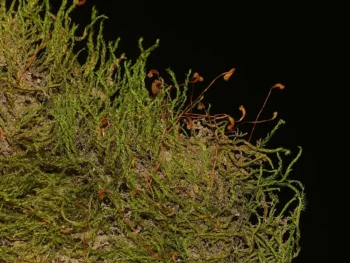
This particular moss forms low, spreading mats with fine, delicate branching patterns that create an almost feathery texture. It’s what botanists call a terrestrial green plant, meaning it’s part of that ancient group including mosses, hornworts, and liverworts that have been perfecting the art of simple living for millions of years.
Where You’ll Find This Native Beauty
Amblystegium varium is a true North American native, currently documented in New Jersey and New York, though it likely has a broader range throughout the northeastern United States. This moss has been quietly thriving in our region’s forests, wetlands, and rocky areas for countless generations.
- Species observed
- No observations
Why Your Garden Might Love Amblystegium Moss
While you probably won’t be planting amblystegium moss in the traditional sense, discovering it in your garden is actually a wonderful sign. Here’s why this little moss deserves your appreciation:
- Soil protection: Moss helps prevent erosion and keeps soil moist
- Habitat creation: Provides shelter for tiny beneficial insects and microorganisms
- Natural indicator: Its presence often signals healthy soil conditions
- Low maintenance: Once established, it requires absolutely zero care from you
- Year-round interest: Stays green even when other plants have gone dormant
Identifying Amblystegium Moss
Spotting amblystegium moss requires getting down to its level – literally. Look for these characteristics:
- Fine, delicate branching patterns that create feathery mats
- Low-growing habit that hugs surfaces closely
- Preference for attaching to rocks, logs, or other solid surfaces rather than just soil
- Small size – we’re talking about plants measured in millimeters, not inches
- Soft, cushiony texture when healthy and moist
Where Amblystegium Moss Thrives
This adaptable moss appreciates shaded, consistently moist conditions. You’re most likely to encounter it in:
- Woodland garden areas under trees
- North-facing slopes and rock faces
- Areas near water features or naturally damp spots
- On fallen logs, tree bases, or stone surfaces
- Spots that stay cool and humid throughout the growing season
Working with Nature’s Design
Rather than trying to cultivate amblystegium moss, the best approach is creating conditions where it can naturally establish itself. If you’re designing a woodland garden or working with shady, moist areas of your landscape, this moss might just appear on its own – and that’s exactly how nature intended it.
Consider leaving some logs, stones, or other surfaces in your shaded garden areas undisturbed. These become potential colonization sites for amblystegium moss and other beneficial native species. Think of it as leaving the welcome mat out for some very polite, very tiny neighbors.
The Bottom Line
Amblystegium moss represents one of nature’s quiet success stories – a native plant that asks for nothing but gives back plenty in terms of ecosystem support. While you might not feature it in your garden’s before and after photos, its presence indicates a healthy, balanced landscape that supports native biodiversity.
Next time you’re walking through a shaded area of your garden, take a moment to look closely at the ground level. You might just discover that amblystegium moss has already moved in, quietly doing its part to make your little corner of the world a better place for all the tiny creatures that call it home.