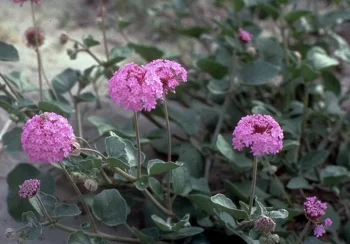
Amelia’s Sand Verbena: A Rare Texas Treasure for Your Garden
If you’re looking for a unique native plant that’s both beautiful and meaningful, Amelia’s sand verbena (Abronia ameliae) might just be the perfect addition to your Texas garden. This charming perennial forb offers delicate beauty while supporting local ecosystems, though its rarity makes it a special responsibility for gardeners.
What Makes Amelia’s Sand Verbena Special?
Amelia’s sand verbena is a low-growing, trailing perennial that produces clusters of small, fragrant flowers ranging from white to soft pink. The blooms are particularly aromatic in the evening, making this plant a delightful addition to patios or walkways where you can enjoy their sweet scent. Its succulent-like leaves help it thrive in challenging sandy conditions where other plants might struggle.
A True Texas Native with Conservation Importance
This remarkable plant is endemic to Texas, found naturally only in the sandy soils along the Gulf Coast region. As a native species, it’s perfectly adapted to local growing conditions and supports regional wildlife. However, Amelia’s sand verbena carries a Global Conservation Status of S3, meaning it’s considered vulnerable with only 21 to 100 known occurrences or between 3,000 and 10,000 individuals remaining in the wild.
- Species observed
- No observations
Important Note: Due to its vulnerable status, if you choose to grow Amelia’s sand verbena, please ensure you source plants or seeds only from reputable native plant nurseries or conservation organizations that propagate their stock responsibly. Never collect from wild populations.
Growing Conditions and Care
The good news is that once you have responsibly sourced plants, Amelia’s sand verbena is relatively easy to grow if you can meet its specific needs:
- Soil: Sandy, extremely well-draining soil is essential. Heavy clay soils will likely kill this plant
- Sun exposure: Full sun for best flowering
- Water: Drought tolerant once established; actually prefers dry conditions
- USDA Hardiness Zones: 8b-10a
- Growth habit: Low, trailing ground cover reaching 6-12 inches tall
Perfect Garden Applications
Amelia’s sand verbena shines in several garden settings:
- Rock gardens and xeriscaping projects
- Coastal gardens where salt tolerance is needed
- Native plant gardens focused on Texas species
- Ground cover in areas with sandy, poor soil
- Evening gardens where you can enjoy the fragrant blooms
Wildlife and Pollinator Benefits
The evening-fragrant flowers of Amelia’s sand verbena are particularly attractive to night-flying moths and butterflies. By growing this plant, you’re providing nectar sources for pollinators while helping preserve a vulnerable Texas native species.
Planting and Care Tips
Success with Amelia’s sand verbena comes down to recreating its natural sandy habitat:
- Plant in fall for best establishment
- Amend heavy soils with coarse sand to improve drainage
- Water sparingly – overwatering is more dangerous than drought
- No fertilization needed; this plant thrives in poor soils
- Allow plants to self-seed in suitable locations
The Bottom Line
Amelia’s sand verbena offers Texas gardeners a chance to grow something truly special – a beautiful, fragrant native plant that exists nowhere else in the world. While its vulnerable conservation status means we must be thoughtful about sourcing, successfully growing this rare gem in your garden contributes to its preservation while adding unique charm to your landscape. Just remember: sandy soil, good drainage, and minimal water are the keys to keeping this Texas treasure happy in your garden.