American Alpine Speedwell: A Hardy Native Ground Cover for Cool Climate Gardens
If you’re looking for a resilient native ground cover that can handle both wet and dry conditions while adding delicate blue blooms to your landscape, American alpine speedwell (Veronica wormskjoldii) might be just the plant you need. This unassuming perennial forb punches above its weight class when it comes to adaptability and charm.
What Makes American Alpine Speedwell Special?
American alpine speedwell is a true North American native with an impressive range that spans from Alaska all the way down to the southwestern United States. You’ll find this hardy perennial growing naturally across an extensive territory including Alaska, most western states, parts of the Great Plains, and even into eastern regions like Maine and New Hampshire. It’s also native throughout much of Canada and Greenland.
- Species observed
- No observations
This widespread distribution tells us something important: this plant is incredibly adaptable. Whether you’re gardening in the mountains of Colorado, the forests of British Columbia, or the plains of Wyoming, American alpine speedwell has likely been thriving in your region for thousands of years.
Garden Appeal and Landscape Role
Don’t let its modest stature fool you – American alpine speedwell brings plenty to the garden table. This low-growing perennial reaches about one foot in height and spreads through underground rhizomes, making it an excellent choice for:
- Rock gardens and alpine plantings
- Native plant landscapes
- Naturalized areas
- Ground cover in partially shaded spots
- Edges of water features or rain gardens
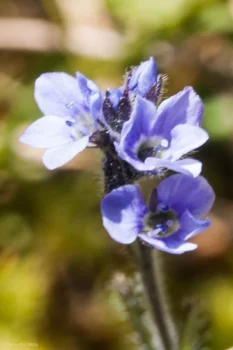
The plant produces attractive blue flowers during summer months that, while not showy from a distance, add a lovely touch of color up close. The fine-textured green foliage creates a soft, carpet-like appearance that works beautifully as a backdrop for more dramatic plants or as a gentle transition between different garden areas.
Growing Conditions and Care
One of the best things about American alpine speedwell is its easygoing nature. Here’s what this adaptable native prefers:
Soil: Medium to fine-textured soils work best, though it’s not overly fussy. A slightly acidic to neutral pH (6.0-7.3) is ideal.
Water: This plant likes consistent moisture and has high water usage, making it perfect for areas that stay naturally moist or for gardeners who don’t mind regular watering.
Light: Intermediate shade tolerance means it can handle partial shade beautifully, though it will also grow in sunnier spots if moisture is adequate.
Climate: Extremely cold hardy (down to -28°F), this plant thrives in USDA zones 4-8, making it suitable for most northern and mountainous regions.
Wetland Versatility
American alpine speedwell shows remarkable adaptability to different moisture conditions across its range. In some regions, it functions as a wetland plant, while in others it grows happily in average garden conditions. This flexibility makes it an excellent choice for:
- Rain gardens and bioswales
- Areas with variable moisture
- Transitional zones between wet and dry areas
- Natural bog or pond edges
Planting and Propagation
Getting American alpine speedwell established in your garden is refreshingly straightforward. The plant is routinely available commercially and can be propagated through several methods:
- Container plants (easiest for beginners)
- Bare root plants
- Seed (though germination can be slow)
- Division of established clumps
- Cuttings or sprigs
Plant density can range from about 4,800 to 11,000 plants per acre depending on how quickly you want coverage. The moderate growth rate and vegetative spread mean patience will be rewarded with a solid mat of growth over time.
A Few Considerations
While American alpine speedwell is generally low-maintenance, there are a few things to keep in mind:
- It requires consistent moisture, so xeric or drought-prone gardens might not be ideal
- The low seed production means natural reseeding is limited
- Growth can be slow initially, requiring patience for full establishment
- It’s not suitable for high-traffic areas due to its delicate nature
Why Choose This Native?
American alpine speedwell exemplifies the right plant, right place philosophy that makes native gardening so rewarding. By choosing this indigenous ground cover, you’re supporting local ecosystems while enjoying a plant that’s perfectly adapted to your regional growing conditions. Its widespread native range means it’s likely been part of your local landscape long before humans arrived, making it a natural choice for sustainable, low-maintenance gardening.
Whether you’re creating a native plant sanctuary, need reliable ground cover for a challenging spot, or simply want to add authentic regional character to your landscape, American alpine speedwell offers a wonderful combination of adaptability, beauty, and ecological value that’s hard to beat.