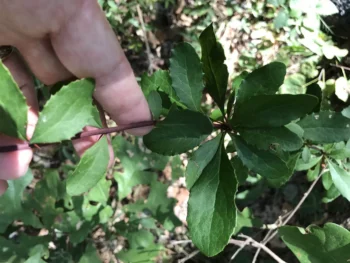
American Barberry: A Rare Native Gem Worth Growing Responsibly
Meet the American barberry (Berberis canadensis), a native shrub that’s become something of a botanical treasure hunt. Unlike its more common (and problematic) cousin, the Japanese barberry, this homegrown beauty is actually quite rare and deserves a spot in more native gardens. But here’s the catch – you’ll need to be extra thoughtful about how you source it.
What Makes American Barberry Special?
This perennial shrub is a true American native, naturally occurring across 13 states from the Appalachians to the Ozarks. You’ll find it growing wild in Alabama, Georgia, Illinois, Indiana, Kentucky, Maryland, Missouri, North Carolina, Pennsylvania, South Carolina, Tennessee, Virginia, and West Virginia – though spotting one in the wild is becoming increasingly difficult.
- Species observed
- No observations
American barberry typically grows as a multi-stemmed woody shrub, usually staying under 13-16 feet tall, making it a manageable size for most gardens. In spring, it produces clusters of small yellow flowers that give way to bright red berries in fall, creating seasonal interest that native wildlife absolutely loves.
The Conservation Reality Check
Here’s where things get serious: American barberry has a Global Conservation Status of S3, meaning it’s considered vulnerable throughout its range. In Alabama and Arkansas, it’s listed as SH (historically present but possibly extirpated). This rarity makes it all the more valuable to native plant enthusiasts, but it also means we need to be responsible about how we grow it.
Important: If you want to grow American barberry, only purchase plants from reputable native plant nurseries that propagate their stock rather than wild-collecting. Never dig plants from the wild – this could further threaten already vulnerable populations.
Why Grow American Barberry?
Despite its thorny personality (literally – those spines are no joke), American barberry offers several compelling reasons to include it in your landscape:
- Supports native pollinators with spring flowers
- Provides berries for birds and small mammals
- Creates natural barriers due to its thorny nature
- Low maintenance once established
- Adapts to various growing conditions
- Helps preserve a vulnerable native species
Growing Conditions and Care
American barberry is surprisingly adaptable, thriving in USDA hardiness zones 4-8. It prefers well-drained soils and can handle everything from partial shade to full sun, though it seems happiest with some afternoon shade in hotter climates.
The good news? This native shrub is relatively low-maintenance once it’s settled in. It tolerates drought better than many natives and doesn’t require rich, amended soil to thrive. Just give it space to spread naturally – those thorny branches need room to do their thing.
Planting and Care Tips
When planting your responsibly-sourced American barberry:
- Choose a location with good drainage and adequate space
- Plant in spring or early fall for best establishment
- Water regularly the first year, then let natural rainfall take over
- Prune lightly in late winter if needed to maintain shape
- Watch for suckers and manage them based on your garden goals
- Be patient – this shrub may take a few years to really hit its stride
Garden Design Ideas
American barberry works beautifully in native plant gardens, wildlife-focused landscapes, and naturalized areas. Its thorny nature makes it perfect for creating living fences or barriers, while its spring flowers and fall berries add seasonal drama. Pair it with other native shrubs like spicebush or elderberry for a diverse wildlife habitat.
Just remember to give visitors (and yourself) fair warning about those thorns – this isn’t a plant for high-traffic areas or anywhere kids play regularly.
The Bottom Line
American barberry represents something special: a chance to grow a genuinely rare native plant that supports local ecosystems while helping preserve genetic diversity. Yes, you’ll need to do your homework to source it responsibly, and yes, those thorns demand respect. But for gardeners committed to native plants and conservation, this vulnerable beauty offers the satisfaction of growing something truly meaningful.
By choosing American barberry for your landscape, you’re not just adding another shrub – you’re becoming part of the conservation story of a remarkable native plant that deserves a future in our gardens and wild spaces.