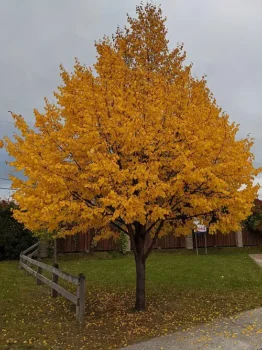
American Basswood: The Gentle Giant Your Landscape is Missing
If you’re looking for a native tree that combines impressive stature with serious wildlife appeal, meet the American basswood (Tilia americana). This deciduous beauty isn’t just another pretty face in the forest – it’s a pollinator magnet and wildlife haven that deserves a spot on every large property.
What is American Basswood?
American basswood is a large, long-lived native tree that can reach heights of up to 100 feet at maturity, though you’ll see it hit about 60 feet after 20 years of growth. With its distinctive heart-shaped leaves and fragrant yellowish flowers that bloom in late spring, this tree is as beautiful as it is beneficial. The deeply furrowed bark on mature specimens adds wonderful texture to winter landscapes.
Where Does It Naturally Grow?
This native gem calls a huge swath of North America home, naturally occurring across the eastern United States from Maine down to northern Florida, and stretching west through the Great Plains to North Dakota and eastern Texas. You’ll also find it thriving in southeastern Canada, including Manitoba, Ontario, Quebec, New Brunswick, and Saskatchewan.
- Species observed
- No observations
Why Your Garden Will Love American Basswood
Here’s where this tree really shines – it’s a pollinator paradise! The fragrant flowers are absolute magnets for bees, and the tree is so beloved by these busy workers that basswood honey is considered a delicacy. Beyond bees, you’ll see butterflies and other beneficial insects flocking to those sweet-smelling blooms.
The moderate growth rate means you won’t wait forever to enjoy some shade, and the dense summer foliage provides excellent cooling. Come fall, the leaves turn a lovely yellow before dropping to reveal the tree’s attractive winter silhouette.
Perfect Spots for Planting
Let’s be honest – American basswood needs room to stretch. This isn’t a tree for cozy urban lots or small suburban yards. It’s perfect for:
- Large residential properties with plenty of space
- Woodland gardens and naturalistic landscapes
- Parks and public spaces
- Rural properties and acreages
- Areas where you want to create wildlife habitat
Growing Conditions That Make It Happy
The good news? American basswood is pretty easygoing about its growing conditions. Here’s what it prefers:
- Soil: Adaptable to coarse and medium-textured soils, but skip the heavy clay
- Moisture: Likes consistent moisture but has low drought tolerance once established
- pH: Flexible, handling anything from 4.5 to 7.5
- Light: Shade tolerant, making it great for woodland settings
- Climate: Hardy in USDA zones 2-8, handling temperatures down to -46°F
The tree has a Facultative Upland wetland status across all regions, meaning it usually prefers drier sites but can handle some moisture – just don’t plant it in soggy areas.
Planting and Care Tips
Getting your American basswood off to a good start is straightforward:
- Timing: Plant in early spring or fall when temperatures are mild
- Spacing: Give it plenty of room – plan for at least 40-50 feet between trees
- Watering: Keep young trees consistently moist their first few years
- Mulching: A 3-4 inch layer of organic mulch around the base helps retain moisture
- Fertilizing: Generally unnecessary in decent soil, though it appreciates medium fertility
- Pruning: Minimal pruning needed – just remove dead or damaged branches
Propagation Possibilities
If you’re feeling ambitious, American basswood can be grown from seed (about 4,765 seeds per pound!), though you’ll need to cold stratify them first. Seeds are abundant from summer through fall. You can also find bare root or container plants from native plant nurseries – they’re routinely available, which is always a good sign for a native species.
The Wildlife Connection
Beyond being a pollinator favorite, American basswood supports wildlife in numerous ways. The seeds feed various birds and small mammals, while the dense foliage provides nesting sites and shelter. The tree’s ability to resprout from the base means it can recover from damage and continue providing habitat for decades.
Is American Basswood Right for You?
This native beauty is perfect if you have the space and want to make a real impact for local wildlife and pollinators. Just remember – patience is key with this moderate grower, and you’ll need room for its impressive mature size. If you’re working with a smaller space, consider looking for other native alternatives that might fit better.
For those blessed with adequate acreage, American basswood offers the perfect combination of native heritage, wildlife value, and landscape presence. Your local bees will thank you, and you’ll have a magnificent legacy tree for generations to enjoy.