American Beakgrain: A Graceful Native Grass for Woodland Gardens
If you’re looking to add some understated elegance to your shade garden, meet American beakgrain (Diarrhena americana) – a charming native grass that’s been quietly beautifying North American woodlands for centuries. This perennial graminoid might not win any flashy flower contests, but it brings a gentle, naturalistic charm that’s perfect for gardeners seeking authentic native landscapes.
What Makes American Beakgrain Special?
American beakgrain is a true native treasure, naturally occurring across 15 states in the eastern and central United States. You’ll find this lovely grass calling home to Alabama, Arkansas, Georgia, Illinois, Indiana, Kentucky, Maryland, Michigan, Missouri, North Carolina, Ohio, Oklahoma, Tennessee, Virginia, and West Virginia. It’s a testament to nature’s ability to create beauty in the forest understory.
- Species observed
- No observations
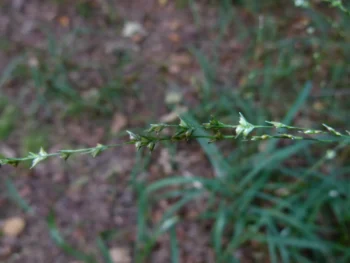
This perennial grass forms graceful clumps of narrow blades topped with delicate, open flower clusters that dance in the slightest breeze. While it may not shout for attention like a bright wildflower, its subtle beauty adds texture and movement to woodland settings in a way that feels completely natural.
A Note About Rarity
Before we dive into growing tips, it’s important to know that American beakgrain has a rarity status of S2 in Alabama, meaning it’s considered imperiled in that state. If you’re interested in adding this grass to your garden, please ensure you source it responsibly from reputable native plant nurseries rather than collecting from wild populations. By choosing nursery-grown plants, you’ll be supporting conservation efforts while still enjoying this beautiful species.
Perfect Spots for American Beakgrain
American beakgrain thrives in conditions that mimic its natural woodland habitat. Here’s where it shines brightest:
- Shade to partial shade gardens
- Woodland borders and naturalized areas
- Native plant gardens focusing on forest understory species
- Areas with moist, well-drained soil
This grass is particularly well-suited for gardeners in USDA hardiness zones 4-8, making it adaptable to a wide range of climates across its native range.
Growing American Beakgrain Successfully
The good news for busy gardeners is that American beakgrain is refreshingly low-maintenance once established. Here are the key points for success:
Light Requirements: Unlike many grasses that crave full sun, American beakgrain actually prefers shade to partial shade – making it perfect for those tricky spots under trees where other plants struggle.
Soil Needs: Provide moist, well-drained soil that mimics woodland conditions. It appreciates organic matter, so don’t hesitate to work in some leaf compost when planting.
Watering: Once established, this native is quite drought-tolerant, though it performs best with consistent moisture during dry spells.
Maintenance: Minimal care required! American beakgrain may self-seed in favorable conditions, which is perfect for naturalized areas where you want that authentic woodland feel.
Wildlife and Ecological Benefits
While American beakgrain is wind-pollinated rather than insect-pollinated, it still plays an important role in the ecosystem. As a native grass, it provides habitat structure for small wildlife and contributes to the complex web of relationships that make woodland ecosystems thrive.
Design Ideas and Companions
American beakgrain works beautifully as part of a woodland understory planting. Consider pairing it with other native shade-lovers like wild ginger, mayapple, or trout lily for a authentic forest floor feel. Its fine texture provides a lovely contrast to broader-leaved woodland plants.
This grass is perfect for gardeners who appreciate subtle beauty and want to create spaces that feel like natural woodland clearings. It’s not the star of the show, but rather the supporting cast member that makes everything else look better.
Should You Plant American Beakgrain?
If you have a shade garden and appreciate native plants with understated charm, American beakgrain could be a wonderful addition. It’s particularly appealing for gardeners who want to recreate authentic woodland ecosystems or simply enjoy the gentle movement and texture that native grasses bring to shaded spaces.
Just remember to source your plants responsibly, especially given its rarity status in some areas. By choosing nursery-grown American beakgrain, you’ll be supporting both conservation efforts and your own garden’s natural beauty – a win-win for everyone involved!