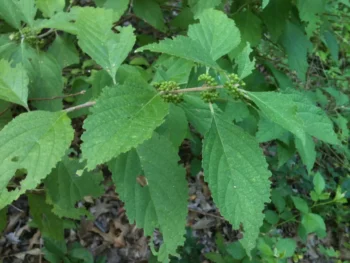
American Beautyberry: A Native Showstopper for Your Wildlife Garden
If you’re looking for a native shrub that delivers serious wow factor come fall, meet American beautyberry (Callicarpa americana). This southeastern native might just be the most underrated plant in the wildlife gardening world – and once you see those electric purple berries clustered along its stems like nature’s own jewelry, you’ll wonder why it’s not in every garden.
What Makes American Beautyberry Special
American beautyberry is a deciduous shrub that typically reaches about 6 feet tall and wide at maturity. Don’t let its moderate growth rate fool you – this plant knows how to make an entrance. In summer, it produces small clusters of pink to blue flowers that pollinators absolutely love. But the real magic happens in fall when those flowers transform into brilliant purple berries that practically glow against the autumn landscape.
As a native perennial shrub, American beautyberry has been thriving in the southeastern United States long before any of us started thinking about landscaping. You’ll find it naturally growing across Alabama, Arkansas, Florida, Georgia, Louisiana, Maryland, Mississippi, Missouri, North Carolina, Oklahoma, South Carolina, Tennessee, Texas, and Virginia.
- Species observed
- No observations
Why Your Garden (and Local Wildlife) Will Love It
Here’s where American beautyberry really shines – it’s a wildlife magnet. Those gorgeous berries aren’t just for show; they provide food for birds, small mammals, and other creatures throughout fall and winter. While it might only make up 2-5% of larger animals’ diets, every little bit helps when natural food sources become scarce.
The summer flowers are equally valuable, attracting bees, butterflies, and other pollinators when they need nectar most. It’s like running a wildlife café right in your backyard, and American beautyberry is definitely on the menu.
Perfect Spots for Planting
American beautyberry is wonderfully adaptable, which makes it perfect for several garden styles:
- Naturalized woodland gardens where it can spread and self-seed
- Wildlife habitat areas alongside other native plants
- Mixed shrub borders for seasonal interest
- Woodland edges where it gets dappled sunlight
- Rain gardens (it handles occasional flooding just fine)
With its facultative upland wetland status, this shrub is happy in normal garden conditions but won’t complain if it gets its feet wet occasionally.
Growing Conditions That Make It Happy
One of the best things about American beautyberry is how easygoing it is. This shrub adapts to a wide range of conditions:
- Soil: Clay, loam, or sandy soils – it’s not picky
- pH: Anywhere from 4.8 to 7.0 (slightly acidic to neutral)
- Sun: Partial shade to full sun, though it appreciates some afternoon shade in hot climates
- Water: Drought tolerant once established, but appreciates regular water during dry spells
- Climate: Hardy in USDA zones 6-10
It’s also surprisingly tough – this shrub has high drought tolerance and can even handle fire, making it perfect for low-maintenance landscapes.
Planting and Care Made Simple
American beautyberry is refreshingly low-maintenance once you get it established. Here’s how to set it up for success:
Planting: Spring or fall are ideal planting times. Space plants 4-6 feet apart if you’re creating a grouping. You can find it readily available from native plant nurseries, either as container plants or bare root specimens.
Care Tips:
- Water regularly the first year to help establish roots
- Mulch around the base to retain moisture and suppress weeds
- Prune in late winter or early spring before new growth begins
- Don’t over-fertilize – this native prefers lean soils
- Let some berries remain for wildlife food
Propagation: American beautyberry readily self-seeds (about 85,000 seeds per pound!), so you might find seedlings popping up nearby. You can also grow it from seed or purchase plants from nurseries.
Potential Drawbacks to Consider
No plant is perfect, and American beautyberry has a few quirks to keep in mind:
- It can self-seed prolifically in ideal conditions (though seedlings are easy to remove)
- The berries can be messy when they drop
- Foliage isn’t particularly showy – this is really a plant for its berries and wildlife value
- In colder zones, it may die back to the ground but will resprout in spring
The Bottom Line
American beautyberry is one of those plants that truly earns its keep in the garden. It’s native, low-maintenance, gorgeous in fall, and provides real value to local wildlife. If you’re looking to add more native plants to your landscape or want something that’ll make your neighbors stop and ask What is that beautiful plant?, American beautyberry delivers.
Just remember to give it some space to show off those stunning purple berries – they’re truly nature’s way of proving that native plants can be every bit as ornamental as anything else in your garden.