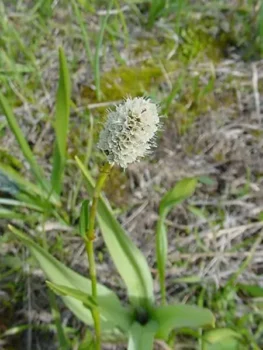
American Bistort: A Native Wetland Beauty for Water-Loving Gardens
If you’re looking to add some native charm to a wet spot in your garden, American bistort (Polygonum bistortoides) might just be the perfect plant you’ve been searching for. This unassuming perennial forb has been quietly thriving in North America’s wetlands for centuries, and it’s ready to bring its understated elegance to your landscape.
What Makes American Bistort Special?
American bistort is a proud native of North America, calling both Canada and the lower 48 states home. This hardy perennial belongs to the buckwheat family and has earned its place in the native plant world through its adaptability and ecological value. While it may not be the showiest plant in your garden, its subtle beauty and important ecological role make it a worthwhile addition to the right setting.
Where Does American Bistort Grow Wild?
This resilient native has quite an impressive natural range across western North America. You’ll find American bistort growing wild in Alberta and British Columbia in Canada, and throughout the western United States including Arizona, California, Colorado, Idaho, Montana, Nevada, New Mexico, Oregon, Utah, Washington, and Wyoming.
- Species observed
- No observations
The Look and Feel of American Bistort
Don’t expect American bistort to tower over your garden – this modest plant reaches a mature height of just 1.5 feet, making it perfect for the front of borders or as ground cover in wet areas. During its active growing season in spring and summer, it produces clusters of small white flowers that may not stop traffic but certainly add a clean, fresh look to wetland areas.
The plant spreads through underground rhizomes at a moderate pace, gradually forming colonies over time. Its green foliage has a medium texture that works well with other native plants, and while it won’t provide fall color, it serves its purpose beautifully during the growing season.
Perfect Garden Settings for American Bistort
Here’s where American bistort really shines – it’s a wetland specialist! This plant is happiest when its feet are consistently wet, making it ideal for:
- Rain gardens and bioswales
- Pond and stream margins
- Bog gardens
- Wetland restoration projects
- Native plant gardens with consistent moisture
Its wetland status varies by region – in the Great Plains, it’s classified as an obligate wetland plant (almost always found in wetlands), while in the Arid West and Western Mountains regions, it’s considered facultative wetland (usually in wetlands but occasionally elsewhere).
Growing Conditions: What American Bistort Needs to Thrive
American bistort is quite specific about its growing requirements, but if you can meet its needs, it’s a relatively low-maintenance plant:
- Moisture: High water requirements – this plant needs consistent moisture and doesn’t tolerate drought at all
- Soil: Prefers coarse to medium-textured soils; avoid heavy clay
- pH: Slightly acidic to neutral (6.5-8.0)
- Sun exposure: Full sun – it’s shade intolerant
- Temperature: Hardy to -38°F, suitable for USDA zones 3-7
- Fertility: Medium fertility requirements
Planting and Care Tips
Getting American bistort established requires a bit of patience, as it has a slow regrowth rate after disturbance and moderate seedling vigor. Here’s how to give it the best start:
- Propagation: Can be grown from seed or sprigs (small plant divisions)
- Seeding: With 125,000 seeds per pound, a little goes a long way
- Planting density: Space plants for 2,700-4,800 per acre in restoration settings
- Establishment: Be patient – this plant takes time to establish but spreads moderately once settled
- Maintenance: Minimal care needed once established, just ensure consistent moisture
Wildlife and Pollinator Benefits
American bistort’s white flowers bloom in mid-spring, providing nectar and pollen resources for various pollinators during this crucial early season period. While specific wildlife benefits aren’t well-documented, as a native wetland plant, it likely supports various insects and provides habitat value in wetland ecosystems.
Is American Bistort Right for Your Garden?
American bistort is definitely not a plant for every garden, but it’s perfect for the right situation. Consider this native if you:
- Have a consistently wet area in your landscape
- Are creating a rain garden or bioswale
- Want to support native plant biodiversity
- Are working on wetland restoration
- Appreciate subtle, naturalistic beauty over flashy displays
However, skip American bistort if you have dry conditions, heavy clay soil, or are looking for a dramatic focal point plant.
The Bottom Line
American bistort may not be the star of your garden show, but it’s the reliable supporting actor that makes wetland gardens function beautifully. This native perennial offers authentic regional character, supports local ecosystems, and requires minimal care once established in the right conditions. If you have a wet spot that needs a native solution, American bistort deserves serious consideration for your plant palette.