American Bladdernut: A Charming Native Shrub with Quirky Appeal
If you’re looking for a native shrub that’s equal parts elegant and amusing, meet the American bladdernut (Staphylea trifolia). This delightful perennial woody plant brings both beauty and whimsy to your landscape, thanks to its graceful spring flowers and absolutely adorable inflated seed pods that look like tiny green balloons dancing in the breeze.
A True American Native
American bladdernut is proudly native to both Canada and the lower 48 United States, making it an excellent choice for gardeners who want to support local ecosystems. You’ll find this charming shrub naturally growing across an impressive range of states including Alabama, Arkansas, Connecticut, Delaware, Florida, Georgia, Illinois, Indiana, Iowa, Kansas, Kentucky, Louisiana, Maryland, Massachusetts, Michigan, Minnesota, Mississippi, Missouri, Nebraska, New Hampshire, New Jersey, New York, North Carolina, Ohio, Oklahoma, Pennsylvania, South Carolina, Tennessee, Vermont, Virginia, West Virginia, and Wisconsin, plus Ontario and Quebec in Canada.
- Species observed
- No observations
What Makes American Bladdernut Special
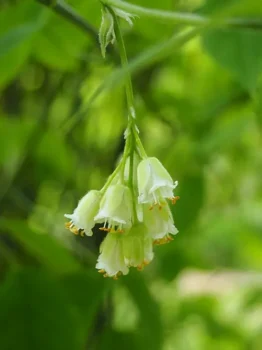
This multi-stemmed shrub typically reaches 4-5 meters (13-16 feet) in height, though it can grow taller under ideal conditions. What really sets it apart are its distinctive features throughout the growing season. In spring, clusters of delicate white bell-shaped flowers dangle gracefully from the branches, creating an almost ethereal display that attracts bees, butterflies, and other important pollinators.
But the real showstopper comes after flowering – those famous inflated seed pods that give the plant its common name. These papery, balloon-like structures start green and gradually turn brown as they mature, creating an eye-catching display that persists well into fall. When autumn arrives, the foliage transforms into lovely yellow tones before dropping for winter.
Perfect Spots for Your American Bladdernut
This versatile native thrives in USDA hardiness zones 3-8, making it suitable for most of the continental United States. American bladdernut is particularly well-suited for:
- Woodland gardens where it can serve as an excellent understory plant
- Native plant landscapes and naturalized areas
- Shade gardens that need interesting texture and seasonal appeal
- Rain gardens and areas with variable moisture levels
- Shrub borders where you want something a little different
Growing Conditions and Care
One of the best things about American bladdernut is its adaptable nature. This shrub has a facultative wetland status across all regions where it grows, meaning it’s equally happy in both wet and dry conditions. Here’s what it prefers:
- Light: Partial shade to full shade (though it can tolerate some sun)
- Soil: Moist, well-drained soils of various types, including clay
- Water: Consistent moisture preferred, but drought tolerant once established
- pH: Adaptable to various soil pH levels
Planting and Care Tips
American bladdernut is refreshingly low-maintenance once it gets settled in your garden. Here are some tips for success:
- Planting: Plant in spring or fall, giving it plenty of space to reach its mature size
- Mulching: Apply a 2-3 inch layer of organic mulch around the base to retain moisture and suppress weeds
- Pruning: Minimal pruning needed, but if desired, prune right after flowering to maintain shape
- Watering: Water regularly the first year to establish roots, then let nature take over
- Fertilizing: Generally unnecessary – this native is adapted to local soil conditions
Wildlife and Pollinator Benefits
By choosing American bladdernut, you’re not just adding beauty to your landscape – you’re supporting local wildlife. The spring flowers provide valuable nectar for bees, butterflies, and other pollinators during a crucial time in their life cycles. The seeds inside those charming inflated pods also provide food for various birds and small mammals.
Why Choose American Bladdernut?
If you’re tired of the same old landscape shrubs and want something with personality, American bladdernut delivers. It’s native, low-maintenance, supports wildlife, and brings year-round interest to your garden. Those whimsical seed pods alone make it a conversation starter, while its spring flowers add delicate beauty to shaded areas where many other flowering shrubs struggle.
Whether you’re creating a native plant haven, naturalizing a woodland area, or just want to add something uniquely charming to your landscape, American bladdernut is a delightful choice that will reward you with years of quirky beauty and ecological benefits.