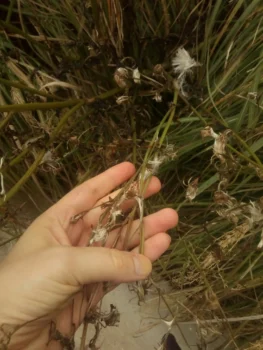
American Burnweed: The Humble Native That Divides Gardeners
Meet American burnweed (Erechtites hieraciifolius), a plant that sparks passionate debates among gardeners. Some call it a pesky weed, while others champion it as an important native species. This annual forb has quite the personality – it’s scrappy, opportunistic, and absolutely determined to make its presence known in your garden.
What Exactly Is American Burnweed?
American burnweed is an annual herbaceous plant that belongs to the sunflower family. Despite its rather unflattering common name, this native wildflower has been quietly doing its job in North American ecosystems for centuries. The plant earned its burnweed moniker because it’s often one of the first species to colonize areas after fires or other disturbances.
As a forb, American burnweed lacks woody stems and typically grows between 1 to 6 feet tall, depending on growing conditions. Its small, yellowish flowers cluster together in somewhat unremarkable displays that won’t win any beauty contests but serve important ecological functions.
Where Does American Burnweed Call Home?
This adaptable native has an impressive range across North America. American burnweed is native to Canada (including New Brunswick, Nova Scotia, Ontario, Prince Edward Island, and Quebec), the lower 48 United States, Puerto Rico, and the U.S. Virgin Islands. You can find it growing naturally in states from Alabama to Wisconsin, and from California to Maine. The only place it’s considered non-native is Hawaii, where it has been introduced and now reproduces on its own.
- Species observed
- No observations
Should You Plant American Burnweed?
Here’s where things get interesting. American burnweed sits in that gray area between desirable native plant and garden nuisance. Let’s break down the pros and cons:
Reasons You Might Want It:
- It’s a true native species supporting local ecosystems
- Excellent for disturbed site restoration and erosion control
- Attracts small pollinators like flies and beetles
- Requires virtually no maintenance once established
- Thrives in USDA hardiness zones 3-9
- Pioneer species that helps prepare soil for other plants
Reasons You Might Want to Skip It:
- Can become weedy and spread aggressively through self-seeding
- Not particularly showy or ornamental
- May outcompete more desirable garden plants
- Provides limited wildlife benefits (only 2-5% of some birds’ diets)
Growing Conditions and Care
If you decide to give American burnweed a chance, you’ll find it refreshingly undemanding. This tough little plant adapts to a wide range of conditions:
- Light: Full sun to partial shade
- Soil: Tolerates poor, disturbed soils; prefers moist to moderately dry conditions
- Water: Drought tolerant once established
- pH: Adaptable to various soil pH levels
The beauty of American burnweed is that it basically grows itself. Seeds germinate readily in spring, and the plants will self-sow for future generations. If you’re trying to establish it in a restoration area, simply scatter seeds in fall or early spring and let nature take its course.
Best Uses in the Landscape
American burnweed isn’t destined for formal flower borders or pristine perennial beds. Instead, consider it for:
- Wildlife gardens focused on native plant communities
- Naturalized meadow areas
- Disturbed site restoration projects
- Erosion control on slopes
- Pioneer plantings in new garden areas
Managing American Burnweed
If American burnweed shows up uninvited in your garden (which it probably will at some point), remember that it’s just doing what nature intended. In formal garden settings, you can easily remove it by pulling young plants before they set seed. However, if you have space for a more naturalized approach, consider letting a few plants establish themselves – they might surprise you with their ecological contributions.
The Bottom Line
American burnweed may not be the flashiest native plant you can grow, but it serves an important ecological niche. Whether you embrace it or manage it will depend on your gardening style and tolerance for plants that march to their own drum. For gardeners interested in supporting native ecosystems and don’t mind a more casual aesthetic, American burnweed can be a valuable addition to naturalized areas.
Just remember: once you invite this self-sufficient native into your garden, it may decide to stay longer than originally planned!