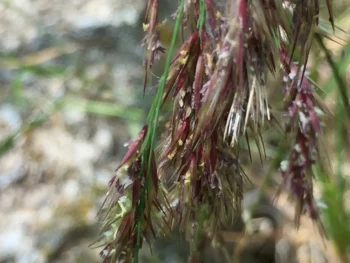
American Common Reed: A Native Grass with Big Personality
If you’re looking for a native plant that makes a bold statement in wet areas of your landscape, American common reed (Phragmites australis americanus) might be exactly what you need – or perhaps more than you bargained for! This towering perennial grass is North America’s own version of the classic wetland reed, and it’s got quite the personality.
What is American Common Reed?
American common reed is a native perennial grass that’s been gracing North American wetlands long before European settlement. Also known by its synonym Phragmites americanus, this impressive grass can transform any wet spot in your landscape into a dramatic, swaying sea of green topped with gorgeous feathery plumes.
Where Does It Grow Naturally?
This adaptable native has an incredibly wide natural range across North America. You’ll find it growing wild from coast to coast, thriving in states and provinces including Alberta, British Columbia, Manitoba, New Brunswick, Arizona, California, Nova Scotia, Ontario, Colorado, Prince Edward Island, Connecticut, Quebec, Delaware, Saskatchewan, Northwest Territories, Idaho, Illinois, Indiana, Iowa, Kansas, Maine, Maryland, Massachusetts, Michigan, Minnesota, Montana, Nebraska, Nevada, New Hampshire, New Jersey, New Mexico, New York, North Carolina, North Dakota, Oklahoma, Oregon, Rhode Island, South Dakota, Utah, Vermont, Virginia, Washington, Wisconsin, and Wyoming.
- Species observed
- No observations
The Good, The Bold, and The Beautiful
American common reed is undeniably stunning when it hits its stride. Here’s what makes it special:
- Impressive height reaching 6-13 feet tall, creating natural privacy screens
- Gorgeous golden-brown, feathery seed plumes that dance in the wind
- Excellent for erosion control along water features
- Provides nesting material and habitat for birds
- Thrives in USDA hardiness zones 3-10
- Beautiful autumn color as foliage turns golden
Where Does It Belong in Your Garden?
American common reed isn’t your typical border perennial – it’s a plant with specific needs and a strong personality. It’s perfect for:
- Rain gardens and bioswales
- Pond and stream margins
- Wetland restoration projects
- Large naturalized areas
- Erosion control on slopes near water
- Creating wildlife habitat in wet areas
Growing Conditions: Keep It Wet!
This grass has one major requirement: moisture, and lots of it. American common reed thrives in:
- Full sun locations
- Wet to consistently moist soils
- Areas that flood seasonally
- pH levels from acidic to alkaline
- Various soil types, as long as they stay wet
Planting and Care Tips
Getting American common reed established is relatively straightforward, but here are some key tips:
- Plant in spring after the last frost
- Ensure the planting area stays consistently moist or wet
- Space plants 3-4 feet apart (they’ll fill in quickly)
- No fertilizer needed – it’s quite content in natural conditions
- Cut back old growth in late winter or early spring
A Word of Caution: This Plant Spreads!
Here’s where things get interesting – American common reed spreads via underground rhizomes and can be quite aggressive. While this makes it excellent for erosion control and filling large areas quickly, it also means you need to think carefully about placement. Consider installing root barriers if you want to contain its spread, or simply give it plenty of room to roam in areas where expansion won’t be a problem.
Is American Common Reed Right for You?
This native grass is ideal if you have wet areas that need covering, want to create wildlife habitat, or are working on erosion control. It’s not the best choice for small gardens, formal landscapes, or areas where you need precise control over plant placement. But if you have the space and the right conditions, American common reed can be a stunning and ecologically beneficial addition to your landscape.
Remember, choosing native plants like American common reed supports local ecosystems and reduces maintenance needs once established. Just make sure you’re prepared for its enthusiastic spreading habit – this is definitely a go big or go home kind of plant!