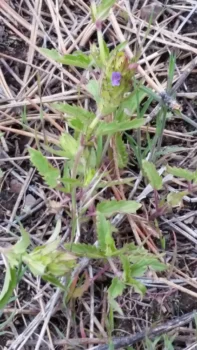
American Dragonhead: A Hardy Native Wildflower for Low-Maintenance Gardens
Looking for a tough, no-fuss native plant that can handle whatever Mother Nature throws at it? Meet American dragonhead (Dracocephalum parviflorum), a scrappy little wildflower that’s as resilient as it is charming. This unassuming member of the mint family might not win any beauty contests, but it more than makes up for it with its easy-going nature and wildlife appeal.
What Is American Dragonhead?
American dragonhead is a native North American forb—essentially a non-woody herbaceous plant that can be annual, biennial, or perennial depending on growing conditions. Don’t let the dragonhead name intimidate you; it simply refers to the shape of the small flowers that cluster together in dense, spike-like arrangements. The plant gets its botanical name from the Greek words draco (dragon) and cephalum (head), describing these distinctive flower heads.
You might also encounter this plant listed under its synonym Moldavica parviflora, but American dragonhead is the name that’s stuck in most gardening circles.
Where Does It Grow Naturally?
Talk about a well-traveled plant! American dragonhead is native throughout most of North America, calling home everywhere from the frozen tundra of Alaska and Canada’s northern territories to the southwestern deserts of Arizona and New Mexico. You’ll find it naturally occurring in an impressive list of states and provinces, including Alberta, British Columbia, Manitoba, New Brunswick, Nova Scotia, Ontario, Quebec, Saskatchewan, Yukon, Northwest Territories, Newfoundland, and virtually every U.S. state from coast to coast.
- Species observed
- No observations
What Does It Look Like?
American dragonhead won’t win any awards for showiness, but it has a quiet, understated appeal. The plant produces small purple-blue flowers that are arranged in dense, terminal spikes atop square stems—a telltale sign of its mint family heritage. The aromatic foliage releases a pleasant scent when brushed or crushed, adding another sensory dimension to your garden.
The plant typically reaches modest heights and has a somewhat weedy appearance that works beautifully in naturalized settings where a more polished look might seem out of place.
Why Grow American Dragonhead?
Here’s where this humble wildflower really shines. American dragonhead is incredibly adaptable and virtually bulletproof once established. It thrives in USDA hardiness zones 3-8, meaning it can handle both brutal winters and hot summers with equal aplomb.
The plant prefers full sun and is remarkably drought tolerant, making it perfect for xeriscaping or areas where you want beauty without the burden of constant watering. Its wetland status as Facultative Upland across all regions means it typically grows in non-wetland areas but can tolerate occasional wet conditions—talk about versatile!
Pollinator Magnet
Don’t let the small flowers fool you—American dragonhead is a pollinator powerhouse. Bees, butterflies, and other beneficial insects flock to its nectar-rich blooms, making it an excellent choice for pollinator gardens and wildlife-friendly landscapes.
Where to Use It in Your Garden
American dragonhead works best in:
- Native plant gardens and prairie restorations
- Naturalized landscapes and wildflower meadows
- Low-maintenance areas where you want seasonal color
- Pollinator gardens and butterfly habitats
- Erosion control on slopes or disturbed sites
It’s not the best choice for formal flower beds or high-visibility areas where you want consistent, showy blooms. Think of it as nature’s way of filling in the gaps and providing ecological value rather than garden drama.
Growing and Care Tips
The beauty of American dragonhead lies in its simplicity. This plant practically grows itself, making it perfect for beginning gardeners or anyone who prefers a hands-off approach.
Getting Started
American dragonhead is typically grown from seed, and here’s the best part—it often self-seeds readily, so you might only need to plant it once. Scatter seeds in fall for natural stratification over winter, or start them indoors in late winter for transplanting after the last frost.
Ongoing Care
Once established, American dragonhead requires minimal care:
- Water occasionally during prolonged dry spells, though it’s quite drought tolerant
- No fertilization needed—it thrives in average to poor soils
- Deadhead spent flowers if you want to prevent excessive self-seeding
- Allow some plants to go to seed if you want natural reseeding
A Word of Caution
While American dragonhead’s vigorous self-seeding can be a blessing for naturalized areas, it might be too enthusiastic for formal gardens. Keep an eye on it and remove unwanted seedlings if it starts spreading beyond where you want it. In the right setting, though, this tendency is more feature than bug.
The Bottom Line
American dragonhead isn’t going to be the star of your garden, but it’s the reliable supporting actor that makes everything else look good. If you’re looking for a low-maintenance native that supports pollinators, tolerates tough conditions, and fills in naturalized spaces with quiet charm, this hardy wildflower deserves a spot in your landscape. Just give it room to roam, and it’ll reward you with years of easy-care beauty.