American Eelgrass: The Underwater Meadow Maker for Your Water Garden
If you’ve ever dreamed of creating your own underwater prairie, American eelgrass (Vallisneria americana) might just be your perfect plant partner. This native North American aquatic perennial creates stunning submerged landscapes that look like something straight out of a nature documentary – except it’s happening right in your backyard pond or water garden.
What Makes American Eelgrass Special?
American eelgrass is a true native success story, naturally occurring across an impressive range from Canada down through the lower 48 states. You’ll find this aquatic wonder thriving in states from coast to coast, including Alabama, California, Florida, Maine, Texas, Washington, and dozens of others in between. It’s like the ultimate American road trip plant – at home almost everywhere!
- Species observed
- No observations
This perennial forb has earned several scientific aliases over the years (botanists do love their name changes), but don’t let the synonyms confuse you – we’re talking about the same reliable, ribbon-leaved beauty that’s been gracing North American waterways for millennia.
The Look: Graceful and Unassuming
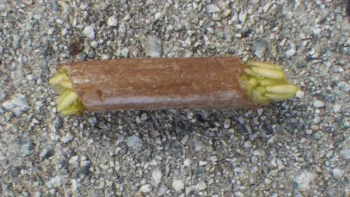
American eelgrass won’t win any flashy flower contests, but its appeal lies in subtle elegance. Picture long, slender green ribbons swaying gently in the current, reaching up to about a foot in height. The fine-textured foliage creates a soft, meadow-like carpet beneath the water’s surface. While the flowers are pretty inconspicuous (they do their thing underwater), the real beauty is in those graceful, flowing leaves that dance with every ripple.
Why Your Water Garden Wants American Eelgrass
This plant is basically the overachiever of the aquatic world. Here’s why water gardeners love it:
- Fast establishment: With its rapid growth rate and stoloniferous spreading habit, it quickly fills in bare spots
- Wildlife magnet: Water birds rely on it for 5-10% of their diet – you’ll be supporting local wildlife
- Natural water filter: Like all aquatic plants, it helps keep your water clean and oxygenated
- Low maintenance: Once established, it pretty much takes care of itself
- Year-round presence: As a perennial, it comes back season after season
Perfect for These Water Features
American eelgrass thrives in:
- Natural ponds and lakes
- Constructed water gardens
- Wetland restoration projects
- Large aquariums (if you’re thinking big!)
- Shallow areas of swimming ponds
Growing Conditions: It’s All About the Water
Here’s where American eelgrass gets specific about its needs – it’s classified as Obligate Wetland across all regions, meaning it absolutely must have water. We’re talking full submersion, not just moist soil. The good news? It’s surprisingly adaptable once you meet that basic requirement.
Water requirements:
- Must be fully submerged in freshwater
- High moisture use (obviously!)
- No drought tolerance whatsoever
- Zero salinity tolerance – freshwater only, please
Growing conditions:
- USDA Hardiness Zones 3-10 (handles cold down to -33°F)
- Needs at least 90 frost-free days
- Prefers full sun (shade intolerant)
- pH range: 5.0-8.8 (pretty flexible!)
- Works in coarse, medium, or fine-textured substrates
- Medium fertility requirements
Planting and Care Tips
The beauty of American eelgrass is in its simplicity. Here’s how to get started:
Planting:
- Plant via seed or sprigs (both methods work well)
- Seeds: About 135,000 per pound, so a little goes a long way
- Plant density: 2,700-4,800 plants per acre for large installations
- Best planting time: Late spring through summer
- No root depth requirements – it’s all about being underwater
Care:
- Virtually maintenance-free once established
- Moderate vegetative spread rate keeps it from taking over too quickly
- Fire tolerant (though this is rarely relevant for aquatic plants!)
- Short lifespan but readily self-seeds
A Word About Responsible Sourcing
While American eelgrass is common throughout most of its range, it has a rare status (S1) in Arkansas. If you’re in Arkansas or sourcing plants that might have come from there, make sure you’re working with reputable suppliers who use responsibly collected or propagated material. Let’s keep this native beauty thriving for future generations!
The Bottom Line
American eelgrass might not be the showiest plant in your water garden, but it’s definitely one of the most valuable. It creates habitat, feeds wildlife, helps maintain water quality, and gives your aquatic space that natural, I’ve always been here look. Plus, there’s something deeply satisfying about growing a plant that’s been calling North America home for thousands of years.
If you’ve got the water space and want to create an underwater meadow that supports local wildlife while requiring virtually no maintenance, American eelgrass deserves a spot in your aquatic garden. Just remember to keep it wet – this is one plant that really can’t compromise on its water needs!