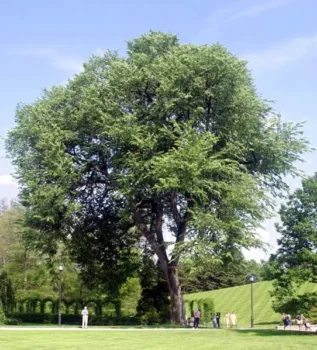
American Elm: The Majestic Native Shade Tree Making a Comeback
The American elm (Ulmus americana) once graced countless American streetscapes with its iconic vase-shaped silhouette, earning the nickname the perfect street tree. While Dutch elm disease decimated populations in the mid-20th century, this beloved native is experiencing a renaissance thanks to disease-resistant varieties and renewed appreciation for native plants.
What Makes American Elm Special?
This perennial deciduous tree is a true North American native, naturally occurring throughout Canada and the lower 48 states. From the Maritime provinces down to Florida and west to the Rocky Mountains, American elms have been shaping our landscapes for millennia. You’ll find them thriving from Alabama to Wyoming, and from Manitoba to Texas.
- Species observed
- No observations
American elms are impressive specimens that can reach heights of 120 feet with their characteristic umbrella-like canopy. In just 20 years, these fast-growing giants can tower 50 feet above your landscape. Their growth form features a single trunk that divides into multiple ascending branches, creating that famous vase shape that made them so popular for lining city streets.
Garden and Landscape Appeal
If you’re looking for a statement tree that provides substantial shade and four-season interest, the American elm delivers in spades. Here’s what makes it a standout choice:
- Rapid growth rate means quick results
- Dense summer foliage provides excellent shade
- Conspicuous yellow fall color brightens autumn landscapes
- Interesting bark texture adds winter appeal
- Classic American silhouette provides timeless elegance
American elms work beautifully as specimen trees in large yards, park settings, or naturalized areas. They’re particularly well-suited for properties where you want to create a grand, established feel relatively quickly.
Growing Conditions and Care
One of the American elm’s greatest strengths is its adaptability. These trees are remarkably flexible about soil conditions, thriving in everything from coarse sandy soils to heavy clay. They’re hardy in USDA zones 2 through 9, tolerating winter temperatures as low as -46°F.
Here are the key growing requirements:
- Soil: Adaptable to most soil types with pH ranging from 5.0 to 8.0
- Moisture: Prefers consistent moisture but tolerates some drought once established
- Light: Full sun to partial shade
- Space: Plant 300-800 trees per acre for naturalized settings
Wetland Flexibility
American elms show remarkable adaptability to varying moisture conditions. Depending on your region, they can thrive in both wetland and upland sites, making them excellent choices for areas with fluctuating moisture levels or challenging drainage conditions.
Wildlife and Pollinator Benefits
Early spring brings small, inconspicuous green flowers that may not catch your eye but are incredibly valuable to pollinators emerging from winter dormancy. These early blooms provide essential nectar and pollen when few other sources are available. The trees also support numerous native insects and provide nesting sites for birds in their broad canopies.
Planting and Establishment Tips
American elms are readily available from nurseries and can be propagated through multiple methods including seeds, cuttings, or bare root stock. Here’s how to ensure success:
- Plant in spring after frost danger passes
- Choose disease-resistant cultivars when possible
- Provide regular watering during the first growing season
- Mulch around the base to retain moisture
- Allow plenty of space for the mature canopy
The Disease-Resistant Revolution
The elephant in the room with American elms has always been Dutch elm disease. However, plant breeders have developed numerous disease-resistant varieties that maintain the species’ classic beauty while offering much better survival rates. When selecting an American elm, look for these improved cultivars rather than straight species.
Is American Elm Right for Your Landscape?
American elm is perfect for gardeners who:
- Have large properties that can accommodate a substantial tree
- Want to support native ecosystems and wildlife
- Appreciate classic American landscape aesthetics
- Need a fast-growing shade tree
- Can commit to selecting disease-resistant varieties
This majestic native represents both our gardening heritage and future. With careful cultivar selection and proper care, American elms can once again grace our landscapes with their timeless beauty while supporting the native wildlife that depends on them.