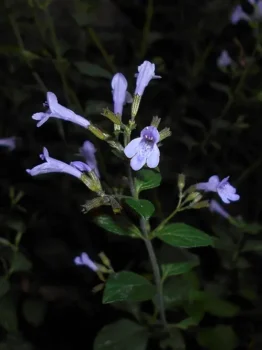
American False Pennyroyal: A Tiny Native Herb with Big Garden Benefits
If you’re looking for a charming, low-maintenance native plant that packs a punch despite its diminutive size, meet American false pennyroyal (Hedeoma pulegioides). This delightful little annual herb might not win any height contests, but it certainly makes up for it with its aromatic foliage, pollinator appeal, and effortless growing habits.
What Is American False Pennyroyal?
American false pennyroyal is a native annual forb that belongs to the mint family. Don’t let the name fool you—while it shares some characteristics with true pennyroyal, this plant is its own unique species. You might also see it listed under several botanical synonyms, including Cunila pulegioides, Melissa pulegioides, or Ziziphora pulegioides, but Hedeoma pulegioides is the current accepted name.
As a forb, this plant lacks significant woody tissue and instead produces soft, herbaceous growth that dies back each year. What makes it special is its intensely aromatic foliage that releases a pleasant, mint-like fragrance when crushed.
Where Does It Call Home?
This truly all-American native has an impressive range across both Canada and the lower 48 states. You’ll find American false pennyroyal growing naturally from the Maritime provinces of Canada down through most of the eastern and central United States. Its distribution includes Alabama, Arkansas, Connecticut, Delaware, District of Columbia, Georgia, Illinois, Indiana, Iowa, Kansas, Kentucky, Maine, Maryland, Massachusetts, Michigan, Minnesota, Mississippi, Missouri, Nebraska, New Hampshire, New Jersey, New York, North Carolina, North Dakota, Ohio, Oklahoma, Pennsylvania, Rhode Island, South Carolina, South Dakota, Tennessee, Vermont, Virginia, West Virginia, and Wisconsin, plus the Canadian provinces of New Brunswick, Nova Scotia, Ontario, and Quebec.
- Species observed
- No observations
Why Grow American False Pennyroyal?
There are plenty of compelling reasons to welcome this native herb into your garden:
- Pollinator magnet: The tiny white to pale purple flowers may be small, but they’re beloved by bees, flies, and other beneficial insects
- Aromatic appeal: The mint-scented foliage adds wonderful fragrance to your garden
- Native plant benefits: Supporting local ecosystems and wildlife by choosing native species
- Low maintenance: Once established, it requires minimal care and can handle tough growing conditions
- Self-seeding: This annual will often reseed itself, ensuring a continuous presence in your garden
Perfect Garden Spots
American false pennyroyal shines in several garden settings:
- Wildflower gardens: Let it naturalize among other native wildflowers
- Herb gardens: A perfect addition to collections of aromatic and medicinal plants
- Rock gardens: Its compact size and drought tolerance make it ideal for rocky, well-drained areas
- Ground cover: Use it to fill in gaps in naturalized landscapes
- Cottage gardens: Adds old-fashioned charm with its delicate flowers and fragrant leaves
Growing Conditions and Care
One of the best things about American false pennyroyal is how easy it is to grow. This adaptable native thrives in USDA hardiness zones 3-9, making it suitable for most of North America.
Preferred conditions:
- Sunlight: Full sun to partial shade (though it performs best with at least 6 hours of direct sunlight)
- Soil: Well-drained soils of various types; tolerates poor, sandy, or rocky soils
- Water: Drought tolerant once established; avoid overwatering
- pH: Adaptable to various soil pH levels
Planting and Care Tips
Growing American false pennyroyal is refreshingly straightforward:
- Starting from seed: Direct sow seeds in spring after the last frost, or start indoors 6-8 weeks before transplanting
- Spacing: Plant seeds about 6-12 inches apart to allow for natural spreading
- Watering: Water regularly during establishment, then reduce frequency as the plant becomes drought tolerant
- Fertilizing: Generally unnecessary; this plant thrives in poor soils
- Maintenance: Minimal care required; allow plants to self-seed for next year’s crop
Pro tip: Since this is an annual, let some plants go to seed at the end of the season to ensure natural reseeding for the following year.
A Small Plant with Big Impact
American false pennyroyal proves that you don’t need to be the tallest plant in the garden to make a meaningful contribution. This charming native annual offers aromatic appeal, pollinator benefits, and effortless care requirements that make it a smart choice for gardeners who want to support native ecosystems while enjoying a delightfully fragrant addition to their landscape. Whether you’re creating a wildflower meadow or adding interest to an herb garden, this little powerhouse deserves a spot in your native plant collection.