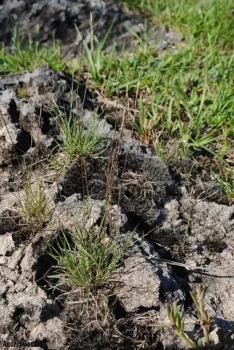
American Fiveminute Grass: A Texas Native Worth Knowing
If you’re a Texas gardener passionate about native plants, you might be curious about some of the lesser-known grasses that call the Lone Star State home. Enter American fiveminute grass (Tripogon spicatus), a perennial grass that’s as intriguing as its quirky common name suggests. While it might not be the showstopper of your garden, this humble native has its own unique charm and ecological value.
What Is American Fiveminute Grass?
American fiveminute grass is a native perennial grass that belongs to the graminoid family – essentially the fancy botanical term for grasses and grass-like plants. You might also encounter it under its scientific synonym, Bromus spicatus Nees, in older botanical references. This Texas native is part of our state’s natural grassland heritage, though it’s not exactly what you’d call common in most gardens.
Where Does It Grow?
This grass is a true Texan through and through. American fiveminute grass is native to Texas and appears to be primarily found within the state’s borders. It’s adapted to the unique climate and growing conditions that make Texas such a distinctive place for native plants.
- Species observed
- No observations
Should You Plant American Fiveminute Grass?
Here’s where things get interesting – and a bit challenging. American fiveminute grass falls into that category of native plants that are more specialized than your typical garden center offerings. While it’s undeniably native and therefore ecologically valuable, there’s limited information available about its specific growing requirements, appearance, and garden performance.
The Case for Growing It
- True Texas native: Supporting local ecosystems by growing plants that evolved here
- Perennial nature: Once established, it should return year after year
- Low water needs: Like most Texas natives, it’s likely drought-tolerant once established
- Habitat value: Native grasses provide structure and habitat for wildlife
The Challenges
- Limited availability: You won’t find this at your average nursery
- Specialized growing knowledge: Less information available compared to popular native grasses
- Unknown ornamental value: Its aesthetic appeal in designed landscapes is not well documented
Growing Conditions and Care
While specific growing information for American fiveminute grass is limited, we can make educated guesses based on its Texas native status and grass family characteristics:
- USDA Hardiness Zones: Likely zones 8-10, matching Texas’s climate range
- Sun requirements: Probably prefers full sun, like most native grasses
- Soil: Likely adaptable to various Texas soil types
- Water needs: Probably drought-tolerant once established
Planting and Care Tips
If you’re determined to grow American fiveminute grass, here are some general guidelines:
- Source seeds or plants from reputable native plant suppliers
- Plant in fall for best establishment before summer heat
- Provide supplemental water during the first growing season
- Avoid over-fertilizing – native grasses typically prefer lean soils
- Be patient – native grasses often establish slowly but are worth the wait
Garden Design Ideas
American fiveminute grass would likely work best in:
- Native grass gardens or prairies
- Naturalized areas where you want authentic Texas flora
- Wildlife habitat gardens
- Areas where you’re experimenting with rare or unusual natives
The Bottom Line
American fiveminute grass represents the kind of native plant that appeals to serious native plant enthusiasts and ecological gardeners rather than casual landscapers. If you’re passionate about growing true Texas natives and don’t mind a bit of experimentation, this grass could be an interesting addition to your collection. However, if you’re looking for well-documented, readily available native grasses, you might want to start with more common options like little bluestem or buffalo grass and work your way up to the more specialized species like American fiveminute grass.
Remember, every native plant has its place in our ecosystem, even the humble and lesser-known ones. Sometimes the most rewarding gardening adventures come from growing the plants that few others are brave enough to try!