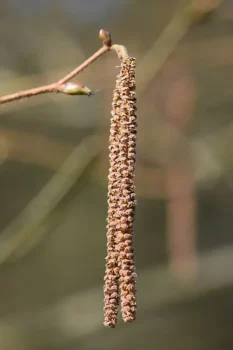
American Hazelnut: A Native Treasure for Your Garden
If you’re looking for a native shrub that delivers both beauty and bounty, the American hazelnut (Corylus americana) deserves a spot on your gardening wish list. This charming multi-stemmed shrub has been quietly thriving across North America for centuries, and it’s ready to bring its understated elegance and practical benefits to your landscape.
What Is American Hazelnut?
American hazelnut is a perennial shrub that typically grows 6-10 feet tall and wide, though it can occasionally reach up to 13 feet under ideal conditions. With its moderate growth rate and multiple stems arising from the base, this native beauty creates a lovely, rounded form that fits perfectly into naturalized landscapes. The shrub produces small, edible nuts enclosed in leafy bracts, making it both ornamental and functional.
Where American Hazelnut Calls Home
This adaptable native spans an impressive range across North America. You’ll find American hazelnut naturally growing from southern Canada down through most of the eastern and central United States, including:
- All of the Great Lakes states
- Throughout the Northeast from Maine to North Carolina
- Across the Midwest from North Dakota to Oklahoma
- Down through the Southeast to Georgia and Louisiana
- Parts of eastern Canada including Manitoba, Ontario, and Quebec
This extensive native range means there’s a good chance American hazelnut is perfectly adapted to your local growing conditions.
- Species observed
- No observations
Why You’ll Love American Hazelnut
American hazelnut offers several compelling reasons to earn a place in your garden:
- Early spring interest: The shrub produces attractive catkins in early spring, providing much-needed pollen for bees when few other flowers are available
- Edible nuts: Small but tasty hazelnuts ripen in late summer and fall
- Wildlife magnet: The nuts feed squirrels, chipmunks, and various birds
- Attractive foliage: Heart-shaped, serrated leaves create coarse texture and turn yellow in fall
- Low maintenance: Once established, it’s quite drought tolerant and disease resistant
Perfect Garden Companions
American hazelnut shines in several garden styles:
- Woodland gardens: Its intermediate shade tolerance makes it perfect for understory plantings
- Native plant gardens: Pairs beautifully with other native shrubs and wildflowers
- Wildlife habitats: Essential for creating food sources for local fauna
- Edible landscapes: Fits naturally into food forest designs
- Natural screens: Works well for informal hedging or privacy plantings
Growing Conditions That Make It Happy
American hazelnut is refreshingly adaptable, but it does have some preferences:
- Sunlight: Partial shade to full sun (intermediate shade tolerance)
- Soil: Prefers medium to fine-textured, well-draining soils
- pH: Thrives in slightly acidic to neutral conditions (5.0-7.0)
- Moisture: Medium moisture needs; drought tolerant once established
- Hardiness: Cold hardy to USDA zones 4-9 (tolerates temperatures down to -33°F)
The plant typically grows in upland areas rather than wetlands, making it suitable for most typical garden conditions.
Planting and Care Tips
Getting your American hazelnut off to a good start is straightforward:
- When to plant: Spring or fall are ideal planting times
- Spacing: Allow 6-8 feet between plants for good air circulation
- Soil prep: Ensure good drainage; amend heavy clay soils with compost
- Watering: Water regularly the first year, then only during extended dry periods
- Fertilizing: Generally unnecessary in good soil; light compost application in spring is beneficial
- Pruning: Minimal pruning needed; remove dead or crossing branches in late winter
For nut production, plant at least two different varieties or seedlings to ensure cross-pollination. Seeds require cold stratification, so fall planting often works well if you’re growing from seed.
A Few Things to Keep in Mind
While American hazelnut is generally low-maintenance, there are a few considerations:
- Nut production can be inconsistent and is generally low compared to European hazelnuts
- The shrub has a relatively short lifespan compared to trees
- It’s not the best choice for formal gardens due to its naturally casual growth habit
- Wildlife may harvest nuts before you do!
The Bottom Line
American hazelnut is one of those wonderful native plants that gives back far more than it asks for. Whether you’re drawn to its early spring blooms, interested in its edible nuts, or simply want to support local wildlife, this adaptable shrub delivers on multiple fronts. Its wide native range means it’s likely well-suited to your local conditions, and its moderate size makes it manageable for most garden spaces.
If you’re building a native plant garden, creating wildlife habitat, or just want a low-maintenance shrub with character, American hazelnut is definitely worth considering. It’s living proof that native plants can be both practical and beautiful—a winning combination for any gardener.