American Hogpeanut: The Quirky Native Vine Your Shade Garden Needs
Meet the American hogpeanut (Amphicarpaea bracteata), a delightfully unusual native vine that’s been quietly thriving in North American woodlands for centuries. Also known simply as hog-peanut, this charming little climber has a secret that makes it one of the most interesting plants you can add to your shade garden.
What Makes American Hogpeanut Special?
This native gem is what botanists call a forb – essentially a non-woody plant that lacks significant woody tissue above ground. But here’s where it gets fascinating: American hogpeanut is both an annual and perennial, depending on conditions. It’s like nature’s own choose-your-own-adventure plant!
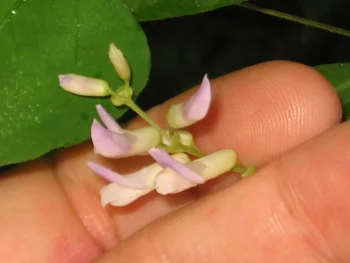
The real magic happens underground. While most gardeners only see the pretty purple flowers blooming above ground, this clever plant also produces special underground flowers called cleistogamous flowers. These hidden blooms never open but self-pollinate to create the plant’s peanuts – small, edible seeds that historically provided food for both wildlife and indigenous peoples.
Where American Hogpeanut Calls Home
As a true native of both Canada and the lower 48 states, American hogpeanut has an impressively wide natural range. You’ll find it thriving from Manitoba and New Brunswick in the north, all the way down to Florida and Texas in the south, and from the Atlantic coast west to Montana and Wyoming.
- Species observed
- No observations
Why Your Garden Will Love This Native Vine
American hogpeanut brings several benefits to your landscape:
- Pollinator friendly: The delicate purple flowers attract small bees and other beneficial insects
- Low maintenance: Once established, it largely takes care of itself
- Adaptable: Tolerates a wide range of growing conditions
- Ecological value: Provides food and habitat for native wildlife
- Interesting texture: Heart-shaped leaves add visual appeal to woodland gardens
Perfect Garden Settings
This native vine shines in:
- Woodland gardens where it can climb through shrubs and small trees
- Shade gardens as a groundcover or climbing accent
- Naturalized areas where you want to encourage native plant communities
- Rain gardens and areas with variable moisture levels
Growing Conditions and Care
American hogpeanut is refreshingly undemanding. Here’s what it prefers:
Light: Partial to full shade (it actually struggles in full sun)
Soil: Moist, well-draining soil, though it adapts to various soil types
Hardiness: Thrives in USDA zones 3-8
Water: Consistent moisture is ideal, but it can handle some drought once established
Wetland Adaptability
One of American hogpeanut’s superpowers is its flexibility with water conditions. Depending on your region, it can handle everything from wetland conditions to drier upland areas. In most regions, it’s classified as facultative, meaning it’s equally happy in wet or dry spots – making it perfect for those tricky areas of your garden where moisture levels vary.
Planting and Care Tips
Getting started with American hogpeanut is surprisingly easy:
- Seeding: Direct sow seeds in fall for spring germination, or cold-stratify seeds for spring planting
- Location: Choose a spot with partial shade and provide nearby plants or structures for it to climb
- Spacing: Allow 12-18 inches between plants if sowing multiple seeds
- Maintenance: Minimal care needed once established – just ensure adequate moisture during dry spells
- Self-seeding: Don’t be surprised if it shows up in new spots the following year – that’s just good naturalization!
The Bottom Line
American hogpeanut might not be the showiest plant in your garden, but it’s definitely one of the most interesting. Its unique dual-flowering habit, adaptability, and native status make it a wonderful addition to any shade garden or naturalized area. Plus, there’s something deeply satisfying about growing a plant that’s been quietly doing its thing in North American woodlands for thousands of years.
If you’re looking to add native diversity to your shade garden while supporting local pollinators and wildlife, American hogpeanut deserves a spot on your planting list. It’s proof that sometimes the most fascinating plants are the ones that prefer to keep a low profile.