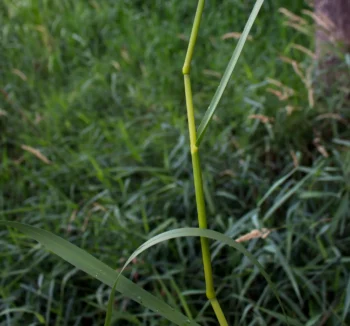
American Mannagrass: The Perfect Native Grass for Wet Spots
If you’ve been scratching your head over what to plant in those perpetually soggy spots in your yard, meet your new best friend: American mannagrass (Glyceria grandis). This graceful native grass might not have the flashiest name, but it’s absolutely perfect for solving those tricky wet-soil gardening challenges while supporting local wildlife.
What is American Mannagrass?
American mannagrass is a perennial graminoid – fancy speak for a grass-like plant that belongs to the true grass family. This lovely native has been quietly thriving in North America’s wetlands for millennia, and it’s ready to bring that same easy-going nature to your garden.
Where Does It Naturally Grow?
Talk about a well-traveled native! American mannagrass calls an impressively large chunk of North America home. You’ll find it naturally growing everywhere from Alaska down through Canada and across most of the United States. This includes states from coast to coast: Alberta, British Columbia, Alaska, Manitoba, New Brunswick, Arizona, California, Nova Scotia, Ontario, Colorado, Prince Edward Island, Connecticut, Quebec, Delaware, Saskatchewan, Yukon, Northwest Territories, Idaho, Illinois, Indiana, Iowa, Maine, Maryland, Massachusetts, Michigan, Minnesota, Mississippi, Montana, Nebraska, Nevada, New Hampshire, New Jersey, New Mexico, New York, North Carolina, North Dakota, Ohio, Oregon, Pennsylvania, Rhode Island, South Dakota, Tennessee, Utah, Vermont, Virginia, Washington, West Virginia, Wisconsin, Wyoming, and Newfoundland.
- Species observed
- No observations
Why Gardeners Love (or Should Love) American Mannagrass
Here’s the thing about American mannagrass – it’s what botanists call an obligate wetland plant, which means it almost always grows in wet conditions. While that might sound limiting, it’s actually its superpower! This grass thrives in all those spots where other plants throw in the towel.
The aesthetic appeal is subtle but stunning. Picture tall, graceful stems swaying in the breeze, topped with delicate, airy seed heads that catch the light beautifully. It provides wonderful texture and movement to the landscape without being overwhelming or aggressive.
Perfect Garden Situations
American mannagrass shines in several garden scenarios:
- Rain gardens and bioswales
- Pond and stream edges
- Naturalistic wetland plantings
- Native plant restoration projects
- Low-maintenance landscapes with wet soils
It plays beautifully with other native wetland plants and helps create that coveted natural look that so many gardeners are after these days.
Growing Conditions and Care
The beauty of American mannagrass lies in its simplicity. This plant has adapted to thrive in conditions that challenge many other species:
- Light: Full sun to partial shade (quite adaptable!)
- Soil: Consistently moist to wet soils
- Hardiness: USDA zones 2-8 (seriously cold-hardy)
- Maintenance: Low once established
Planting and Care Tips
Getting American mannagrass established is refreshingly straightforward:
- Plant in spring after the last frost
- Ensure consistent moisture – this is non-negotiable
- Give it space to spread naturally via rhizomes
- Cut back old growth in late winter before new shoots emerge
- Be patient – it may take a season or two to really get going
The best part? Once established, it pretty much takes care of itself. No fussing with fertilizers or worrying about drought stress!
Wildlife and Pollinator Benefits
While American mannagrass is wind-pollinated (so it won’t attract bees and butterflies), it provides valuable ecosystem services in other ways. The seeds are an important food source for waterfowl and other birds, and the grass provides nesting material and shelter for various wetland creatures.
The Bottom Line
American mannagrass might not be the showiest plant in the garden center, but it’s exactly what you need if you’re dealing with wet soils and want a low-maintenance, native solution. It brings natural beauty to challenging spots while supporting local wildlife – what more could you ask for in a native plant?
If you’ve got a soggy spot that’s been giving you gardening grief, give American mannagrass a try. Your wet soil problems just might become your favorite garden feature!