American Pillwort: A Unique Native Aquatic Fern for Specialized Gardens
Meet American pillwort (Pilularia americana), one of North America’s most unusual native ferns. This quirky little plant might not win any beauty contests with flashy flowers, but it has its own subtle charm and plays an important ecological role in wetland environments across the continent.
What Makes American Pillwort Special?
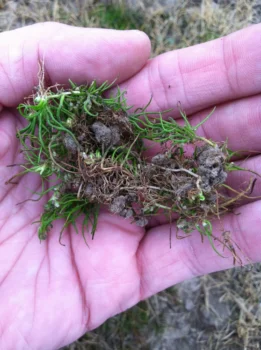
American pillwort is a perennial forb that’s actually a fern in disguise. Instead of the typical frilly fronds we associate with ferns, this plant produces thin, grass-like leaves called phyllodia that emerge from creeping underground stems (rhizomes). It’s like nature’s version of a minimalist design – simple, clean lines with no fuss.
As a native species to the lower 48 states, American pillwort has been quietly doing its thing in wetlands long before European settlers arrived. It’s found naturally in Alabama, Arkansas, California, Georgia, Kansas, Missouri, Nebraska, Oklahoma, Oregon, South Carolina, Tennessee, Texas, and Washington – quite an impressive range for such a specialized plant!
- Species observed
- No observations
Where Does American Pillwort Belong in Your Garden?
Here’s the thing about American pillwort – it’s not your average garden plant. This little fern is an obligate wetland species, which means it almost always occurs in wetlands across all regions of the country. If you’re dreaming of adding it to your regular flower border, you might want to think again.
American pillwort shines in:
- Water gardens and pond margins
- Bog gardens
- Rain gardens
- Naturalized wetland areas
- Constructed wetlands for stormwater management
Growing Conditions and Care
If you’re intrigued by this unique native and have the right conditions, American pillwort can be a fascinating addition to specialized water features. Here’s what it needs to thrive:
Water Requirements: This plant lives for moisture. It needs consistently wet soil or can even grow in shallow standing water. Think pond edges, not rain-dependent garden beds.
Light Conditions: American pillwort adapts well to full sun or partial shade, making it flexible for various wetland garden designs.
Hardiness: Generally hardy in USDA zones 6-10, though this can vary depending on your specific region and local growing conditions.
Planting and Maintenance Tips
Once you’ve got the right soggy conditions, American pillwort is refreshingly low-maintenance:
- Plant in wet soil or shallow water areas
- Allow space for the plant to spread via its creeping rhizomes
- Minimal fertilization needed – wetland plants are adapted to nutrient-poor conditions
- Little to no pruning required
- Watch for natural spreading, which can be beneficial for erosion control
Wildlife and Ecological Benefits
While American pillwort won’t attract butterflies like a native wildflower would (it doesn’t produce flowers), it still provides valuable ecological services. As part of wetland communities, it helps with water filtration, erosion control, and provides habitat structure for small aquatic creatures and amphibians.
Is American Pillwort Right for Your Garden?
Let’s be honest – American pillwort isn’t for everyone. If you’re looking for colorful blooms or a plant for your typical garden bed, this isn’t your match. But if you have a water feature, are creating a rain garden, or working on a naturalized wetland area, this native fern could be exactly what you need.
The real question is whether you have the right growing conditions. American pillwort’s obligate wetland status means it’s not going to compromise on its water needs. But for gardeners with the right wet spots, it offers the satisfaction of growing a truly native species that’s perfectly adapted to North American wetlands.
Consider American pillwort if you want to add authentic native character to your water garden or if you’re passionate about supporting indigenous plant communities. Just make sure you’ve got those wet feet ready – this little fern takes its moisture seriously!