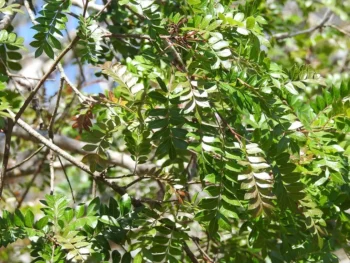
American Pistachio: A Tough Texas Native Perfect for Drought-Tolerant Gardens
Meet the American pistachio (Pistacia mexicana), a resilient little shrub that’s been quietly thriving in the Texas landscape long before anyone thought to call it xeriscaping. While it may not produce the nuts you’d find at the grocery store, this native gem offers something even better for your garden: effortless beauty with virtually zero maintenance requirements.
What Makes the American Pistachio Special?
The American pistachio is a true Texan through and through, naturally occurring only in the Lone Star State within the United States. This perennial shrub typically grows as a multi-stemmed woody plant, usually staying under 13-16 feet tall, making it a perfect fit for residential landscapes where you want impact without overwhelming your space.
You might also see this plant referenced by its synonym, Pistacia texana, or simply called Texas pistachio in some circles. Regardless of what you call it, this tough little character has earned its reputation as one of the most reliable native shrubs for challenging growing conditions.
Where Does American Pistachio Grow?
As a native plant of south-central Texas, the American pistachio has adapted perfectly to the region’s challenging climate. Its natural range extends from Texas down into Mexico, where it’s learned to thrive in areas that would make other plants throw in the trowel.
- Species observed
- No observations
Why Your Garden Needs This Drought-Busting Beauty
If you’re tired of babying plants through Texas summers, the American pistachio might just become your new best friend. Here’s why this native shrub deserves a spot in your landscape:
- Drought Champion: Once established, this plant laughs in the face of dry spells that send other shrubs running for cover
- Low Maintenance: Perfect for busy gardeners who want beautiful landscapes without the weekend slavery
- Wildlife Magnet: The small flowers attract pollinators, while the berries provide food for birds
- Seasonal Interest: Enjoy attractive foliage that often develops nice fall color, plus interesting berries on female plants
- Native Plant Benefits: Supporting local ecosystems while reducing water usage and maintenance needs
Perfect Garden Situations
The American pistachio shines brightest in:
- Xeriscape and drought-tolerant gardens
- Native plant landscapes
- Wildlife habitat gardens
- Low-maintenance foundation plantings
- Informal naturalized areas
Growing Conditions That Make It Happy
This accommodating shrub thrives in USDA hardiness zones 8-10, making it perfectly suited for most of Texas. The American pistachio prefers:
- Sunlight: Full sun exposure for best growth and flowering
- Soil: Well-draining soils (clay, sand, or rocky soils are all fine)
- Water: Drought tolerant once established; minimal supplemental watering needed
- pH: Adaptable to various soil pH levels
Planting and Care Tips
Getting your American pistachio established is refreshingly straightforward:
- Best planting time: Fall or early spring when temperatures are moderate
- Spacing: Allow 6-10 feet between plants, depending on your desired look
- Initial care: Water regularly the first growing season to establish deep roots
- Ongoing maintenance: Practically none! Light pruning in late winter if needed for shape
- Fertilizing: Usually unnecessary; native soils provide adequate nutrition
A Few Things to Keep in Mind
The American pistachio is what’s called a dioecious plant, meaning you’ll have separate male and female plants. If you want the attractive berries, you’ll need at least one female plant, though having both sexes around will ensure better berry production. The berries are small and not particularly messy, so don’t worry about cleanup issues.
While this plant is incredibly tough once established, young plants do appreciate some regular watering their first year. Think of it as an investment in future laziness – a little attention now pays off with decades of easy-care beauty.
The Bottom Line
In a world of high-maintenance garden divas, the American pistachio is the reliable friend who shows up looking great without drama. For Texas gardeners seeking beautiful, sustainable landscaping that works with nature rather than against it, this native shrub offers an unbeatable combination of toughness, beauty, and ecological benefits. Plant it once, and enjoy its quiet confidence for years to come.