American Searocket: The Ultimate Coastal Native for Low-Maintenance Gardens
If you’re looking for a tough-as-nails native plant that thrives where others fear to tread, meet American searocket (Cakile edentula). This unassuming coastal champion might not win any beauty contests, but it’s got character, resilience, and a vital role to play in North American ecosystems.
What Makes American Searocket Special?
American searocket is a native forb – basically a non-woody plant that lacks significant woody tissue above ground. Don’t let its humble appearance fool you; this plant is a coastal survivor that’s been making its home along North American shorelines for thousands of years. It can live as an annual, biennial, or perennial depending on growing conditions, making it remarkably adaptable to different environments.
Where Does It Call Home?
This native gem has one of the most impressive geographic ranges you’ll find in North American flora. American searocket naturally grows from Alaska down to the Gulf of Mexico, spanning an incredible variety of coastal environments. You can find it thriving in states including Alabama, Alaska, California, Connecticut, Delaware, Florida, Georgia, Illinois, Indiana, Louisiana, Maine, Maryland, Massachusetts, Michigan, Mississippi, New Hampshire, New Jersey, New York, North Carolina, Ohio, Oregon, Pennsylvania, Rhode Island, South Carolina, Virginia, Washington, and Wisconsin. It’s also native throughout much of Canada, including British Columbia, New Brunswick, Nova Scotia, Ontario, Prince Edward Island, Quebec, Labrador, and Newfoundland, plus Greenland and St. Pierre and Miquelon.
- Species observed
- No observations
What Does It Look Like?
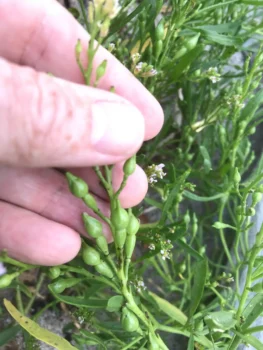
American searocket sports thick, succulent blue-green leaves that help it conserve water in harsh coastal conditions. The small flowers range from white to pale pink and may not stop traffic, but they have a delicate charm when viewed up close. The plant grows in a sprawling, ground-hugging habit that makes it perfect for covering sandy areas where other plants struggle.
Why Grow American Searocket in Your Garden?
Here’s where this plant really shines – it’s practically indestructible once established. If you have sandy soil, salt exposure, or drought conditions that make other plants throw in the towel, American searocket will happily set up shop. Here’s what makes it a smart choice:
- Excellent for erosion control on slopes and sandy areas
- Thrives in coastal gardens where salt spray kills other plants
- Requires virtually no maintenance once established
- Attracts pollinators including bees and butterflies
- Self-seeds readily, creating natural colonies
- Supports native ecosystems and wildlife
Perfect Garden Settings
American searocket isn’t for formal flower beds or manicured landscapes. Instead, think of it as nature’s solution for problem areas:
- Coastal gardens and beachfront properties
- Xeriscaped areas with sandy, poor soil
- Naturalized meadows and prairie restorations
- Erosion-prone slopes
- Areas with salt exposure from winter road treatments
Growing Conditions and Care
The beauty of American searocket lies in its simplicity. This plant has a facultative upland wetland status across all regions, meaning it usually prefers non-wetland conditions but can tolerate some moisture. Here’s what it needs to thrive:
- Sunlight: Full sun is best, though it tolerates some shade
- Soil: Sandy, well-draining soil is ideal – heavy clay is not its friend
- Water: Drought tolerant once established; avoid overwatering
- USDA Hardiness Zones: 3-10, making it suitable for most of North America
- pH: Tolerates a wide range, including alkaline coastal soils
Planting and Care Tips
Getting American searocket established is refreshingly straightforward:
- Direct seed in early spring or fall for best results
- Scatter seeds on prepared sandy soil and lightly rake in
- Water gently until germination occurs
- Once established, step back and let nature take over
- Allow plants to self-seed for natural colonies
- No fertilization needed – this plant prefers lean conditions
Wildlife and Pollinator Benefits
While American searocket might look unassuming, it plays an important role in supporting native wildlife. The flowers attract various pollinators, including native bees and butterflies. Birds may also benefit from the seeds, and the plant provides habitat and food for various coastal insects that are part of the broader food web.
Is American Searocket Right for Your Garden?
American searocket is perfect if you want a truly low-maintenance native plant that can handle tough conditions. It’s not the showiest plant in the garden, but it’s a workhorse that will quietly do its job year after year. Consider it if you have coastal property, sandy soil, or areas where other plants struggle to survive.
However, if you’re looking for a formal garden plant with showy flowers or need something for rich, moisture-retentive soils, you might want to explore other native options better suited to those conditions.
American searocket proves that sometimes the most valuable plants are the unsung heroes – the ones that thrive where life gets tough and ask for nothing in return except a chance to grow.