American Shoreweed: A Tiny Native for Wet Spots
If you’ve ever wondered what to do with that perpetually soggy corner of your yard, meet American shoreweed (Littorella uniflora) – a petite native that actually loves having wet feet! This unassuming little plant might not win any beauty contests, but it’s a champion when it comes to thriving in conditions that would drown most other garden plants.
What is American Shoreweed?
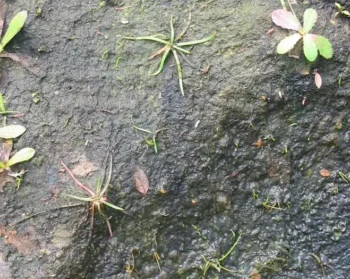
American shoreweed is a perennial forb native to northern North America. Don’t let the fancy botanical classification fool you – forb simply means it’s a soft-stemmed plant without woody tissue, kind of like your typical garden herbs but specialized for aquatic life. This hardy little survivor forms small rosettes of narrow, grass-like leaves that hug the ground or float at water’s surface.
You might also encounter this plant listed under its synonyms Littorella americana or other scientific variations, but they’re all referring to the same moisture-loving species.
Where Does It Naturally Grow?
This native gem calls home a surprisingly large swath of northern territory, including:
- Canadian provinces: New Brunswick, Nova Scotia, Ontario, Quebec, Labrador, and Newfoundland
- U.S. states: Maine, Michigan, Minnesota, New York, Vermont, and Wisconsin
- It’s also found in St. Pierre and Miquelon
Essentially, if you live anywhere in the northern tier of states or southeastern Canada, this plant is truly local to your area.
- Species observed
- No observations
Should You Plant American Shoreweed?
Here’s the honest truth: American shoreweed isn’t for everyone, and that’s perfectly okay! This plant has very specific needs and uses, making it ideal for certain situations while being completely wrong for others.
You should consider it if you have:
- A rain garden that stays consistently moist
- Pond or water feature edges
- A bog garden or wetland restoration project
- Areas with poor drainage that frustrate other plants
- A desire to support truly local native ecosystems
Skip it if you want:
- Showy flowers or dramatic foliage
- Plants for typical garden beds
- Low-maintenance options for dry areas
- Something that attracts lots of pollinators
The Aesthetic Reality Check
Let’s be real – American shoreweed won’t be the star of your Instagram garden photos. This modest plant produces small rosettes of thin, grass-like leaves and tiny white flowers on short spikes. Its beauty lies in its subtle, naturalistic appearance and its ability to create soft, textural groundcover in wet areas where other plants fail.
Think of it as nature’s solution for covering muddy spots rather than a showstopper for the front yard.
Growing Conditions and Care
The key to success with American shoreweed is understanding that it’s an obligate wetland plant – meaning it almost always occurs in wetlands in nature. Here’s what it needs:
Water requirements: Consistently moist to wet soil, or even shallow standing water. This isn’t a plant that tolerates dry spells.
Light needs: Full sun to partial shade, though it tends to be more compact in sunnier locations.
Soil preferences: Sandy or muddy soils with poor drainage – the exact conditions most plants hate!
Hardiness: Thrives in USDA zones 3-7, making it quite cold-hardy.
Planting and Establishment Tips
American shoreweed can be tricky to source since it’s not commonly available in typical nurseries. Your best bet is specialized native plant sales or wetland restoration suppliers.
When to plant: Spring is ideal, giving the plant time to establish before winter.
How to establish: Seeds can be sown directly in wet soil, or you can transplant divisions if available. Keep the planting area consistently saturated.
Maintenance: Once established, this plant is refreshingly low-maintenance. Just ensure it never dries out completely.
Wildlife and Ecological Benefits
While American shoreweed won’t attract clouds of butterflies, it does serve important ecological functions. Its flowers are wind-pollinated rather than insect-pollinated, so don’t expect major pollinator benefits. However, it provides habitat for small wetland creatures and helps stabilize soggy soils with its root system.
The Bottom Line
American shoreweed is a specialist plant for specialist situations. If you have a wet area that needs native plant coverage and you’re more interested in ecological function than flashy beauty, this humble native could be exactly what you need. Just remember – it’s not trying to be showy, it’s trying to be useful, and in the right spot, it absolutely succeeds.
For most gardeners, this won’t be a go-to choice, but for those dealing with challenging wet sites or working on wetland restoration, American shoreweed offers an authentically local solution that actually wants to grow where other plants fear to tread.