American Skunk Cabbage: A Bold Native for Your Wetland Garden
If you’re looking for a plant that makes a statement in your wet, shady spots, American skunk cabbage (Lysichiton americanus) might just be your new best friend. This dramatic native perennial brings both early spring excitement and lush summer foliage to gardens that can accommodate its love for consistently moist conditions.
What Makes American Skunk Cabbage Special?
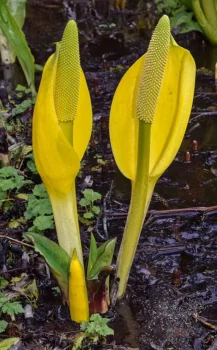
American skunk cabbage is a true harbinger of spring in the Pacific Northwest. Before most plants have even thought about waking up from winter, this bold native sends up bright yellow, hood-like flowers called spathes that can reach up to 8 inches tall. These cheerful blooms emerge directly from the ground in late winter to early spring, often pushing through snow.
After the flowers fade, the real show begins. Massive paddle-shaped leaves unfurl that can grow 3 to 5 feet long and create an almost tropical-looking display in your garden. Despite its common name, the plant only releases its distinctive musky scent when the leaves are crushed or damaged.
Where American Skunk Cabbage Calls Home
This moisture-loving native has an impressive range across western North America. You’ll find American skunk cabbage growing naturally in British Columbia, Alaska, California, Idaho, Montana, Oregon, Washington, and Wyoming. It’s perfectly adapted to the cool, wet conditions of the Pacific Northwest but can thrive in similar conditions throughout its range.
- Species observed
- No observations
Perfect Garden Spots for This Wetland Wonder
American skunk cabbage isn’t for every garden, but if you have the right conditions, it’s absolutely spectacular. This plant is classified as an obligate wetland species, which means it almost always occurs in wetlands in nature. Here’s where it shines in home landscapes:
- Rain gardens and bioswales
- Bog gardens and water features
- Consistently moist, shaded borders
- Naturalized woodland gardens
- Areas with poor drainage that challenge other plants
The key is providing partial to full shade and soil that stays consistently moist to wet year-round. This isn’t a plant for dry shade or areas that dry out in summer.
Growing American Skunk Cabbage Successfully
Hardy in USDA zones 3-7, American skunk cabbage is surprisingly easy to grow once you understand its needs:
Soil Requirements: Rich, organic soil that stays consistently moist to wet. It naturally grows in marshy areas, so don’t worry about overwatering this one.
Light Conditions: Partial to full shade. Morning sun with afternoon shade works well, but avoid hot, sunny locations.
Planting Tips: Plant in spring or early fall when temperatures are cool. Dig a generous planting hole and amend with compost or leaf mold. Space plants 3-4 feet apart to accommodate their mature size.
Care: Once established, American skunk cabbage requires minimal care. The leaves die back completely in winter, so don’t panic when they disappear. Avoid disturbing the roots, as they don’t like to be moved once settled.
Wildlife and Pollinator Benefits
Beyond its garden appeal, American skunk cabbage provides valuable ecosystem services. Its early spring blooms offer nectar for flies, beetles, and other pollinators when few other food sources are available. The large leaves provide shelter for various small wildlife, and the plant helps stabilize wet soil areas naturally.
Is American Skunk Cabbage Right for Your Garden?
American skunk cabbage is an excellent choice if you:
- Have consistently moist to wet, shaded areas
- Want to support native wildlife and early pollinators
- Appreciate bold, architectural plants
- Are creating a rain garden or bog garden
- Want a low-maintenance perennial once established
However, it might not be the best fit if you:
- Have dry soil or areas that dry out in summer
- Need plants for sunny locations
- Have limited space (remember those 3-5 foot leaves!)
- Prefer plants that look good year-round (it goes completely dormant in winter)
The Bottom Line
American skunk cabbage is a spectacular native plant for the right situation. If you have a wet, shady spot that challenges other plants, this dramatic perennial can transform it into a stunning focal point. Its early spring flowers provide a cheerful welcome to the growing season, while its massive summer foliage creates a lush, almost tropical atmosphere in temperate gardens.
Just remember: this is a plant that knows what it wants and isn’t shy about its preferences. Give it the consistently moist, shaded conditions it craves, and you’ll be rewarded with years of bold beauty and the satisfaction of supporting native wildlife in your own backyard.