American Spongeplant: A Rare Native Gem for Water Gardens
If you’re looking to add a unique native touch to your pond or water garden, meet the American spongeplant (Limnobium spongia) – a charming little floating plant that’s as functional as it is fascinating. This perennial aquatic native has been quietly doing its thing in wetlands across much of the eastern United States for centuries, though it’s become increasingly rare in some areas.
What Makes American Spongeplant Special?
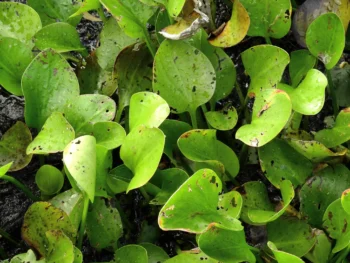
American spongeplant is a delightfully quirky aquatic plant that gets its name from the spongy, air-filled stolons (runners) that help it float. Picture heart-shaped leaves about the size of a silver dollar floating gracefully on the water’s surface, connected by these buoyant stems that look almost inflatable. In late spring, tiny white flowers appear, though they’re quite modest and won’t be the showstopper in your water feature.
This native gem grows to about 6 inches tall and spreads via those signature stolons, creating attractive floating mats over time. Don’t expect lightning-fast coverage though – while it spreads rapidly vegetatively, it takes its time getting established initially.
Where Does It Naturally Grow?
American spongeplant calls a good chunk of the eastern United States home, naturally occurring in Alabama, Arkansas, Connecticut, Delaware, Florida, Georgia, Illinois, Indiana, Kentucky, Louisiana, Maryland, Mississippi, Missouri, New Jersey, New York, North Carolina, Oklahoma, South Carolina, Tennessee, Texas, and Virginia.
- Species observed
- No observations
A Word About Rarity
Here’s something important to know: American spongeplant is considered endangered in New Jersey and has protected status in some other areas. If you’re interested in growing this plant, please make sure to source it responsibly from reputable native plant dealers – never collect from wild populations. Its rarity in some regions makes it all the more special for those who can grow it successfully.
Is American Spongeplant Right for Your Garden?
This plant is definitely not your typical garden perennial! American spongeplant is what botanists call an obligate wetland plant, which means it absolutely, positively must have standing water to survive. We’re talking about a plant that has zero drought tolerance and requires permanent aquatic conditions.
It’s perfect for:
- Natural or constructed ponds
- Water gardens and aquatic landscapes
- Wetland restoration projects
- Rain gardens with permanent water features
- Bog gardens with consistent water levels
However, it’s not suitable for traditional garden beds, containers without water features, or anywhere that doesn’t maintain permanent standing water.
Growing Conditions and Care
American spongeplant is surprisingly specific about its needs, but once you meet them, it’s relatively low-maintenance:
Water Requirements: This is non-negotiable – it needs permanent standing water. Your pond or water feature should maintain consistent water levels year-round.
Sunlight: Prefers full sun but can tolerate some shade. More sun generally means better growth and flowering.
Soil: Grows best in fine to medium-textured soils at the bottom of ponds or wetlands. It adapts well to muddy pond bottoms.
pH: Prefers slightly acidic conditions (pH 5.0-5.9), which makes it well-suited to natural pond environments.
Climate: Hardy in USDA zones 6-10, though it needs at least 180 frost-free days and minimum winter temperatures no lower than -24°F.
Planting and Propagation
The good news is that American spongeplant can be propagated both by seed and by division of those spongy stolons. Seeds are tiny – there are about 465,000 seeds per pound! – and the plant produces them abundantly from spring through fall.
For home gardeners, the easiest approach is usually to:
- Purchase plants from reputable native aquatic plant suppliers
- Plant directly into your pond or water garden
- Allow the plant to establish and spread naturally via stolons
- Divide established clumps if you want to spread them to other areas
Wildlife and Ecological Benefits
While American spongeplant may not be a major pollinator magnet like some showy native flowers, it plays important ecological roles in aquatic ecosystems. It provides habitat structure for small aquatic creatures, helps stabilize pond edges, and contributes to the overall biodiversity of wetland communities.
The Bottom Line
American spongeplant is a wonderful choice for gardeners with ponds, water features, or wetland areas who want to incorporate rare native species into their landscapes. Yes, it’s picky about needing permanent water, but if you can meet this requirement, you’ll be rewarded with a unique floating plant that connects your garden to the natural wetland heritage of eastern North America.
Just remember to source it responsibly given its protected status in some areas, and be patient as it establishes – this little floating gem is definitely worth the wait!