American Thorow Wax: A Little-Known Native Annual Worth Understanding
If you’ve never heard of American thorow wax (Bupleurum americanum), you’re not alone. This modest native annual isn’t exactly the showstopper that draws crowds at garden centers, but it has its own quiet charm and important ecological role across western North America.
What Is American Thorow Wax?
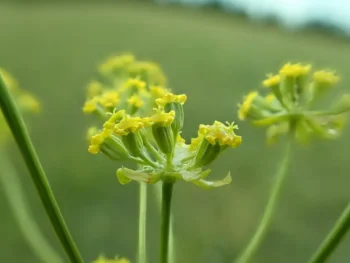
American thorow wax is a native annual plant that belongs to the carrot family. Don’t expect the dramatic umbels of Queen Anne’s lace, though – this is more of a wallflower in the plant world. Its small, inconspicuous flowers and understated appearance make it easy to overlook, but that doesn’t diminish its value in natural ecosystems.
Where You’ll Find It Growing Wild
This hardy little annual has claimed territory across a impressive swath of western North America. You’ll find American thorow wax growing naturally from the wilds of Alaska down through Canada (Alberta, British Columbia, Yukon, and Northwest Territories) and into several western U.S. states including Colorado, Idaho, Montana, New Mexico, Oregon, and Wyoming.
- Species observed
- No observations
Its broad distribution suggests this is one tough plant, adapted to various climates from the frigid north to the mountain regions of the American Southwest.
Should You Grow American Thorow Wax in Your Garden?
Here’s where things get a bit tricky. While American thorow wax earns full marks for being native, it’s not exactly what most gardeners have in mind when they’re planning their landscapes. This plant falls into the category of ecologically important but not particularly ornamental.
The Honest Assessment:
- Aesthetic appeal: Minimal – think subtle rather than stunning
- Garden role: Better suited for restoration projects than decorative borders
- Availability: You’re unlikely to find this at your local nursery
- Growing information: Limited cultivation guidance available
Growing Conditions and Care
Based on its natural range, American thorow wax appears to be quite hardy, likely thriving in USDA zones 2-6. As an annual, it completes its entire life cycle in one growing season, which means you’d need to either collect seeds or rely on self-seeding for future generations.
Given its wide geographic distribution, this plant seems adaptable to various conditions, though specific growing requirements remain somewhat mysterious due to limited cultivation experience.
The Bottom Line
American thorow wax represents one of those native plants that’s more important ecologically than horticulturally. Unless you’re working on a specialized native plant restoration project or have a particular interest in growing unusual native annuals, you might want to focus on more garden-friendly native alternatives.
For western gardeners interested in supporting native ecosystems, consider more ornamental natives like wild bergamot, blanket flower, or native lupines – plants that offer both ecological benefits and visual appeal for your landscape.
Sometimes the most valuable native plants are the ones working quietly behind the scenes rather than putting on a show in our gardens, and American thorow wax seems to fall squarely into that category.