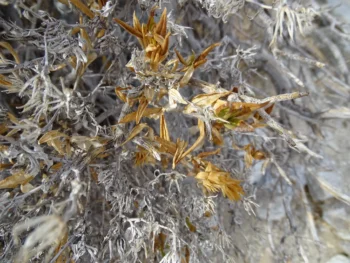
American Threefold: A Delightfully Low-Maintenance Native Shrub for Desert Gardens
If you’re looking to add some sunny charm to your southwestern garden while supporting local wildlife, let me introduce you to American threefold (Trixis californica). This cheerful native shrub might not be the most famous plant in the desert garden world, but it’s definitely one of the most reliable performers when it comes to bringing color and life to dry landscapes.
What Is American Threefold?
American threefold is a perennial shrub that’s as tough as it is attractive. This multi-stemmed woody plant typically stays under 13-16 feet tall, making it perfect for smaller gardens or as an accent plant in larger landscapes. Don’t let the name fool you – while it might sound like something you’d find in a origami tutorial, this plant is all about delivering bright yellow, daisy-like flowers that practically glow against its silvery-green foliage.
Where Does It Call Home?
This native beauty is truly a child of the American Southwest, naturally occurring across Arizona, California, New Mexico, and Texas. It’s perfectly adapted to the hot, dry conditions that would make many other plants throw in the trowel and call it quits.
- Species observed
- No observations
Why Your Garden (and Local Wildlife) Will Love It
Here’s where American threefold really shines – it’s like the reliable friend who always shows up when you need them most:
- Drought tolerance: Once established, this plant laughs in the face of water restrictions
- Pollinator magnet: Butterflies, bees, and other native pollinators absolutely adore those bright yellow blooms
- Low maintenance: Perfect for gardeners who want beauty without the fuss
- Year-round structure: Even when not in bloom, the silvery foliage adds texture and interest
Perfect Garden Scenarios
American threefold is particularly well-suited for:
- Desert and xeriscape gardens
- Native plant landscapes
- Naturalized areas where you want low-maintenance color
- Accent plantings in drought-tolerant designs
- Wildlife gardens focused on supporting native pollinators
Growing Conditions That Make It Happy
The good news is that American threefold isn’t particularly picky, but it does have some preferences:
- Sunlight: Full sun is where this plant truly thrives
- Soil: Well-draining soil is essential – soggy feet are this plant’s kryptonite
- Climate: Hardy in USDA zones 8-10, perfect for those southwestern climates
- Water: Drought tolerant once established, but appreciates occasional deep watering during extreme dry spells
Planting and Care Tips
Getting started with American threefold is refreshingly straightforward:
- Best planting time: Fall or spring when temperatures are moderate
- Spacing: Give it room to spread – these shrubs like their personal space
- Initial care: Water regularly for the first growing season to help establish roots
- Ongoing maintenance: Minimal! Occasional pruning to maintain shape and remove dead growth
- Fertilizer: Generally unnecessary – these plants are adapted to lean soils
The Bottom Line
American threefold is one of those wonderful native plants that proves you don’t need to work harder to have a beautiful garden – you just need to work smarter. By choosing plants that are naturally adapted to your region, you get gorgeous results with minimal effort while supporting local ecosystems.
If you’re gardening in the Southwest and want a reliable, attractive, wildlife-friendly shrub that won’t demand constant attention, American threefold might just become your new garden favorite. It’s the kind of plant that makes you look like a gardening genius while doing most of the work itself – and honestly, isn’t that the kind of partnership we all want in our gardens?