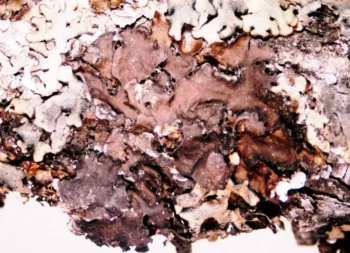
American Tuckermannopsis Lichen: A Fascinating Forest Friend You Can’t Plant
If you’ve ever wandered through a mature forest and noticed what looks like tiny, branching gray-green hair growing on tree bark, you might have encountered the American tuckermannopsis lichen (Tuckermannopsis americana). This intriguing organism isn’t actually a plant at all – it’s a lichen, which makes it a pretty special addition to any natural landscape, even though you can’t exactly pop it in your shopping cart at the garden center.
What Exactly Is This Mysterious Lichen?
Let’s clear up the confusion right away: Tuckermannopsis americana isn’t a plant you can grow in your garden. It’s a lichen – a fascinating partnership between fungi and algae that creates something entirely unique. Think of it as nature’s ultimate roommate situation, where both parties benefit from the arrangement. The fungal partner provides structure and protection, while the algae partner photosynthesizes to create food for both.
This particular lichen goes by several scientific names (botanists love their synonyms!), including Cetraria ciliaris var. halei and Cetraria halei, but American tuckermannopsis lichen is the name that won’t make your tongue twist into knots.
Where You’ll Find This Native Beauty
As a native species to North America, American tuckermannopsis lichen calls the eastern regions of the continent home, particularly flourishing in the northeastern United States and southeastern Canada. You’ll spot it decorating the bark of both deciduous and coniferous trees in mature forest ecosystems.
Spotting American Tuckermannopsis Lichen in the Wild
Here’s how to identify this distinctive lichen when you’re out exploring:
- Look for gray-green to brownish, hair-like branching structures
- Check tree bark – that’s its favorite hangout spot
- Notice the fruticose (shrub-like) growth form that creates interesting textural patterns
- Observe its preference for mature forest environments with clean air
Is It Beneficial to Have Around?
Absolutely! While you can’t plant American tuckermannopsis lichen, having it show up naturally in your landscape is actually a great sign. Here’s why this little organism is worth celebrating:
- Air quality indicator: Lichens are sensitive to air pollution, so their presence indicates good air quality
- Ecosystem health: They’re part of a healthy, mature forest ecosystem
- Habitat creation: Provides microhabitats for tiny insects and other organisms
- Visual interest: Adds unique texture and natural beauty to tree bark
The Reality Check: You Can’t Grow This
Here’s the thing that might disappoint some gardening enthusiasts: you cannot plant, propagate, or cultivate American tuckermannopsis lichen. This isn’t a add to cart situation. Lichens establish themselves naturally over time and require very specific environmental conditions that are nearly impossible to replicate artificially.
The lichen needs:
- Clean, unpolluted air
- Appropriate moisture levels
- The right tree species as hosts
- Time – lots and lots of time
What You Can Do Instead
While you can’t plant this lichen, you can create conditions that might eventually welcome it and other native lichens to your property:
- Maintain mature native trees
- Avoid using pesticides and chemicals
- Reduce air pollution sources around your property
- Practice patience – lichens grow incredibly slowly
- Consider your property part of a larger ecosystem
The Bottom Line
American tuckermannopsis lichen is one of those wonderful native organisms that reminds us that not everything in nature is meant to be managed or cultivated. Sometimes the best thing we can do as gardeners is create healthy environments and let nature do its thing. If you’re lucky enough to have this lichen appear naturally on your trees, consider it a badge of honor – it means you’re doing something right for your local ecosystem.
So next time you’re walking through a forest or even around your own property, take a moment to look closely at tree bark. You might just spot this fascinating native lichen living its best life, one tiny branch at a time.