American Umbrellaleaf: The Showstopper Your Shade Garden Has Been Waiting For
If you’re looking for a native plant that’s guaranteed to make visitors stop in their tracks, meet the American umbrellaleaf (Diphylleia cymosa). This isn’t your average woodland perennial – it’s a conversation starter with leaves so impressively large they could double as actual umbrellas in a pinch!
What Makes American Umbrellaleaf Special?
American umbrellaleaf is a native perennial forb that brings serious drama to shaded spaces. As a herbaceous plant without woody stems, it dies back to the ground each winter and returns with renewed vigor each spring. What sets this plant apart is its absolutely stunning foliage – imagine leaves that can stretch up to two feet across, perfectly shaped like giant umbrellas. It’s nature’s way of saying go big or go home.
Where Does It Call Home?
This southeastern native has quite specific taste in real estate. American umbrellaleaf naturally grows in Alabama, Georgia, North Carolina, South Carolina, Tennessee, and Virginia, where it thrives in the cool, moist conditions of mountain forests and woodland areas.
- Species observed
- No observations
Garden Appeal That Can’t Be Ignored
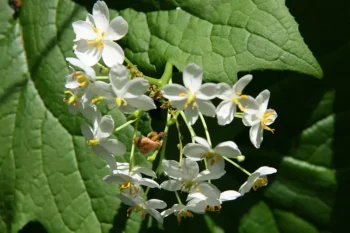
The aesthetic appeal of American umbrellaleaf goes far beyond its impressive leaf size. In late spring, delicate clusters of small white flowers appear above the foliage, creating a lovely contrast against the broad green leaves. Come fall, these flowers transform into striking blue berries that add another layer of visual interest to your garden.
The plant typically reaches 2-3 feet in height and spreads about 2-3 feet wide, making it a perfect specimen plant or focal point in woodland settings.
Perfect Garden Situations
American umbrellaleaf is tailor-made for specific garden styles:
- Shade gardens where you need a bold statement plant
- Woodland gardens that mimic natural forest understories
- Native plant gardens celebrating regional flora
- Areas with consistent moisture where other plants might struggle
This plant serves as an excellent specimen or accent plant, drawing the eye with its architectural form while fitting naturally into native ecosystems.
Growing Conditions: What Makes It Happy
American umbrellaleaf has some specific preferences, but they’re not unreasonable requests:
- Light: Partial to full shade (direct sun can scorch those beautiful leaves)
- Soil: Moist, well-draining soil rich in organic matter
- Moisture: Consistent moisture is key – this isn’t a drought-tolerant plant
- Climate: Thrives in USDA hardiness zones 5-8
- Special needs: High humidity and protection from strong winds
According to its wetland status, American umbrellaleaf usually prefers non-wetland conditions but can tolerate some wetland situations, making it quite adaptable to varying moisture levels in your garden.
Planting and Care Tips for Success
Getting American umbrellaleaf established and happy requires attention to a few key details:
- Choose a protected location away from strong winds that could damage the large leaves
- Amend your soil with plenty of organic matter like compost or leaf mold
- Maintain consistent soil moisture, especially during dry spells
- Mulch around the base to help retain moisture and keep roots cool
- Be patient – this plant may take time to establish and reach its full impressive size
Benefits Beyond Beauty
While American umbrellaleaf is certainly a showpiece, it also contributes to local ecosystems. The small white flowers attract various pollinators, including flies and small bees, while the berries provide food for wildlife. As a native species, it supports local biodiversity and fits seamlessly into existing natural communities.
Is American Umbrellaleaf Right for Your Garden?
This native beauty is perfect for gardeners who:
- Have consistently moist, shaded areas to fill
- Want to support native wildlife and ecosystems
- Appreciate bold, architectural plants
- Enjoy low-maintenance perennials once established
- Live in zones 5-8 with adequate humidity
However, it might not be the best choice if you’re dealing with dry conditions, windy locations, or areas with intense sun exposure.
American umbrellaleaf proves that native plants can be every bit as dramatic and garden-worthy as exotic imports. With its massive umbrella leaves, delicate flowers, and colorful berries, it’s a four-season performer that celebrates the unique beauty of southeastern forests. Give it the moist, shaded spot it craves, and prepare to watch visitors marvel at your very own natural umbrella collection!