American Vetch: The Hardy Native Legume Your Garden Has Been Waiting For
If you’re looking for a low-maintenance native plant that works overtime in your garden, let me introduce you to American vetch (Vicia americana). This unassuming purple-flowered perennial might not win any beauty contests, but it’s the kind of reliable garden companion that quietly makes everything around it better.
What Exactly Is American Vetch?
American vetch is a native perennial herb that belongs to the legume family. Unlike woody shrubs or trees, this forb stays relatively soft and herbaceous throughout its life, reaching a modest height of just over a foot. It’s got a rhizomatous growth pattern, meaning it spreads gradually through underground stems – perfect for naturalizing without becoming aggressive.
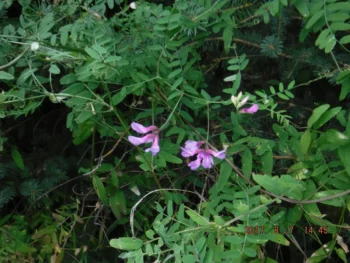
The plant produces lovely purple flowers in late spring that are definitely worth a closer look, even if they’re not the showstoppers of the garden world. What makes American vetch truly special is its ability to fix nitrogen in the soil, essentially acting as a natural fertilizer factory for neighboring plants.
Where Does American Vetch Call Home?
Talk about a well-traveled native! American vetch is truly continental, naturally occurring from Alaska all the way down through Canada and across most of the lower 48 states. You’ll find it thriving everywhere from Alberta and British Columbia to Texas and Virginia, with stops in between including states like Colorado, Montana, Illinois, and Oregon.
- Species observed
- No observations
Why Your Garden Will Love American Vetch
Here’s where American vetch really shines as a garden plant:
- Drought Champion: Once established, this plant laughs in the face of dry spells with its high drought tolerance
- Soil Improver: As a nitrogen-fixing legume, it actually enriches your soil while it grows
- Pollinator Magnet: Those purple blooms are bee favorites during late spring flowering
- Low Maintenance: Moderate growth rate means it won’t overwhelm your space but will steadily fill in
- Cold Hardy: This tough cookie can handle temperatures down to -38°F
Perfect Places for American Vetch
American vetch isn’t really a formal garden kind of plant – it’s more of a let’s get natural type. It’s absolutely perfect for:
- Prairie and meadow gardens
- Native plant restoration projects
- Naturalized areas where you want low-maintenance groundcover
- Wildlife gardens focused on supporting native pollinators
- Slope stabilization projects
Growing Conditions That Make American Vetch Happy
The good news? American vetch is pretty easy to please. Here’s what it prefers:
- Soil: Adaptable to coarse and medium-textured soils, but skip the heavy clay
- Sunlight: Full sun lover – shade intolerant, so don’t hide it under trees
- pH: Likes slightly acidic to neutral soil (5.9 to 7.2)
- Water: Low moisture needs once established, perfect for xeriscaping
- Climate: Thrives in areas with 9-50 inches of annual precipitation
Planting and Care Tips
Ready to give American vetch a try? Here’s how to set it up for success:
- Starting from Seed: This is your best bet since commercial plants are rarely available. Seeds need at least 120 frost-free days to establish
- Timing: Plant seeds in early spring after the last frost danger has passed
- Soil Prep: Ensure good drainage – this plant doesn’t tolerate waterlogged conditions
- Patience Required: Seedling vigor is low, so don’t expect instant gratification. Give it time to establish
- Spreading: It spreads slowly both by seed and vegetatively, so it won’t take over your garden overnight
Wetland Considerations
American vetch is primarily an upland plant, meaning it usually prefers well-drained sites over soggy areas. Depending on your region, it ranges from facultative (can handle some moisture) in western areas to facultative upland (prefers drier sites) in most other regions.
The Bottom Line
American vetch might not be the flashiest plant in your garden, but it’s definitely one of the most hardworking. If you’re creating naturalized spaces, supporting native pollinators, or just want a tough, drought-tolerant native that improves your soil while it grows, American vetch deserves a spot on your planting list. Just remember to be patient – like many good things in gardening, this one rewards the long view.