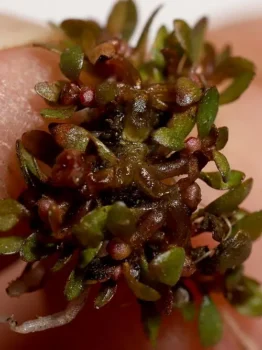
American Waterwort: A Rare Native Gem for Wetland Enthusiasts
If you’re passionate about native plants and wetland restoration, you might want to get acquainted with American waterwort (Elatine americana). This diminutive annual herb might not win any beauty contests, but it plays an important ecological role in our native wetland ecosystems. Before you rush out to find some for your garden, though, there are some important things you should know about this fascinating little plant.
What Is American Waterwort?
American waterwort is a small, annual forb—that’s botanist-speak for a non-woody herbaceous plant. Don’t expect towering stems or showy blooms with this one. Instead, you’ll find a modest little plant that hugs the ground and produces tiny, almost microscopic white flowers. It completes its entire life cycle in a single growing season, making it quite different from the perennial natives that dominate most garden discussions.
Where Does It Call Home?
This native plant has quite an impressive range across the eastern and central United States. You can find American waterwort growing naturally in 21 states, stretching from Maine down to Georgia and reaching as far west as Kansas and Oklahoma. It’s distributed across Connecticut, Delaware, Georgia, Kansas, Louisiana, Maine, Maryland, Massachusetts, Mississippi, Missouri, New Hampshire, New Jersey, New York, North Carolina, Oklahoma, Pennsylvania, Rhode Island, South Carolina, Tennessee, Vermont, and Virginia.
- Species observed
- No observations
The Rarity Factor: Why This Matters
Here’s where things get serious. American waterwort isn’t your run-of-the-mill native plant. In New Jersey, it carries a rarity status of S2, which means it’s considered imperiled in the state. This designation tells us that the plant is at risk and deserves our protection and respect.
If you’re interested in growing American waterwort, please make sure you source it responsibly. Never collect seeds or plants from wild populations, as this could harm already vulnerable communities. Instead, work with reputable native plant nurseries that can provide ethically propagated material.
A Wetland Specialist
American waterwort is what botanists call an obligate wetland species across all regions where it grows. This fancy term simply means the plant almost always occurs in wetlands—it’s not just a wetland lover, it’s a wetland dependent. You won’t find this little guy thriving in typical garden beds or prairie plantings.
This wetland requirement makes it perfectly suited for:
- Wetland restoration projects
- Rain gardens with consistently moist conditions
- Constructed treatment wetlands
- Naturalized pond edges
- Specialized native plant collections focusing on rare species
Growing Conditions and Care
If you’re thinking about incorporating American waterwort into a wetland project, here’s what you need to know about keeping it happy:
Water requirements: This plant needs consistently saturated soil or shallow standing water. Think bog conditions rather than typical garden moisture.
Light: Full sun to partial shade works well, though it seems to perform best with good light exposure.
Hardiness: Based on its natural distribution, American waterwort likely thrives in USDA hardiness zones 4 through 9.
Soil: As long as it’s wet or waterlogged, American waterwort isn’t particularly fussy about soil type.
The Annual Challenge
Remember, this is an annual plant, which means it completes its life cycle in one year and relies entirely on seed production to continue. This can make it a bit unpredictable in cultivation. Some years you might have a thriving population, while other years it might seem to disappear entirely, only to pop up again when conditions are just right.
Is American Waterwort Right for Your Project?
Let’s be honest—American waterwort isn’t for everyone. It’s not going to provide stunning visual impact or attract clouds of butterflies to your garden. However, if you’re working on wetland restoration, creating habitat for specialized wildlife, or developing a collection of rare native plants, it could be a valuable addition.
Consider American waterwort if you:
- Are working on a wetland restoration project
- Want to support rare native plant conservation
- Have a specialized bog or wetland garden
- Are interested in the ecological complexity of wetland systems
Skip it if you’re looking for:
- Low-maintenance garden plants
- Showy ornamental value
- Plants for typical garden conditions
- Guaranteed annual performance
A Plant Worth Protecting
American waterwort might be small and unassuming, but it represents something important in our native plant communities. Its rarity status reminds us that not all native plants are abundant or easy to grow, and some require our special attention and care.
If you decide to work with this species, approach it with the respect it deserves as a rare native. Source responsibly, create appropriate habitat, and consider it part of a larger commitment to wetland conservation. Sometimes the most important plants in our ecosystems are the ones that whisper rather than shout.