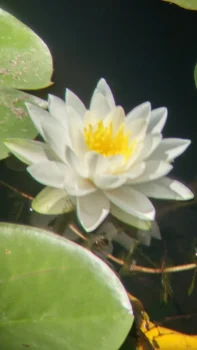
American White Waterlily: A Fragrant Native Beauty for Your Water Garden
If you’ve ever dreamed of having your own slice of a pristine mountain lake right in your backyard, the American white waterlily (Nymphaea odorata) might just be the plant to make that dream a reality. This stunning native perennial transforms any water feature into a magical aquatic wonderland with its pristine white blooms and classic lily pad leaves.
What Makes This Plant Special?
The American white waterlily isn’t just another pretty face in the garden world. This native beauty brings both visual appeal and ecological value to your landscape. Its fragrant white flowers, which occasionally show hints of pink, open in the morning sun and close by mid-afternoon, creating a daily ritual that’s simply mesmerizing to watch.
As a forb (a non-woody vascular plant), this perennial lacks significant woody tissue but makes up for it with its impressive longevity and stunning seasonal display. The round, floating leaves can span up to a foot across, creating natural green platforms that dance gently on the water’s surface.
Where Does It Call Home?
This waterlily is a true North American native, naturally occurring across an impressive range that includes most of the United States and several Canadian provinces. You’ll find it growing wild from Alaska down to Florida, and from the Atlantic coast all the way to the Pacific. It’s even native to Puerto Rico! This extensive geographical distribution speaks to its adaptability and resilience.
- Species observed
- No observations
The Perfect Wetland Warrior
Here’s where things get interesting – the American white waterlily has earned Obligate Wetland status across all regions where it grows. This means it almost always occurs in wetlands, making it the perfect choice if you’re looking to create or restore a natural water habitat. It’s not trying to be something it’s not; this plant knows exactly where it belongs.
Why Your Garden (and Local Wildlife) Will Love It
Beyond its obvious beauty, this waterlily serves as a pollinator magnet, attracting bees, beetles, and flies with its fragrant blooms. The flowers follow a fascinating daily rhythm, opening in the morning to welcome visitors and closing in the afternoon. Wildlife benefits extend beyond pollinators too – the leaves provide shelter for fish and frogs, while various birds and mammals may feed on the seeds.
Growing Your Own Floating Paradise
Ready to add this aquatic beauty to your landscape? Here’s what you need to know:
Growing Conditions
- Sunlight: Full sun to partial shade (at least 6 hours of direct sunlight for best flowering)
- Water depth: 1-8 feet deep, though 2-4 feet is ideal
- Water type: Still or slow-moving water
- Substrate: Rich, muddy bottom or heavy clay soil in containers
- Climate: Hardy in USDA zones 3-11
Planting and Care Tips
The secret to success with American white waterlily lies in proper planting. Plant the rhizomes in wide, shallow containers filled with heavy clay soil or aquatic planting medium. Avoid regular potting soil, which will float and cloud your water.
Submerge the containers gradually, starting in shallow water and moving deeper as the plant establishes. In colder climates (zones 3-7), the plant will naturally die back in winter, requiring a dormancy period. Simply move containers to the deepest part of your pond where they won’t freeze solid.
Perfect Landscaping Partners
The American white waterlily works beautifully as a centerpiece in water gardens, natural ponds, and bog gardens. It pairs wonderfully with other native aquatic plants like cattails, arrowhead, and pickerelweed. For terrestrial companions around the water’s edge, consider native sedges, cardinal flower, or blue flag iris.
A Word of Caution (The Good Kind)
While this plant isn’t invasive or noxious, it can spread via rhizomes in ideal conditions. This is actually a good thing in natural settings, but in smaller water features, you might want to keep it contained in planting containers to control its spread.
The Bottom Line
The American white waterlily offers gardeners a chance to grow a truly spectacular native plant that’s both beautiful and ecologically valuable. Whether you’re creating a formal water garden or restoring a natural wetland, this fragrant beauty brings authenticity and charm to any aquatic landscape. Plus, there’s something undeniably satisfying about successfully growing a plant that’s been gracing North American waters for thousands of years.
So go ahead – take the plunge and add some native aquatic magic to your garden. Your local wildlife will thank you, and you’ll have a front-row seat to one of nature’s most elegant daily shows.