American Wintergreen: A Delicate Native Gem for Shady Spots
If you’re looking for a charming native groundcover that thrives in the shadiest corners of your garden, American wintergreen (Pyrola americana) might just be your new best friend. This delightful little perennial brings understated elegance to woodland gardens with its glossy evergreen leaves and delicate summer flowers.
What Makes American Wintergreen Special?
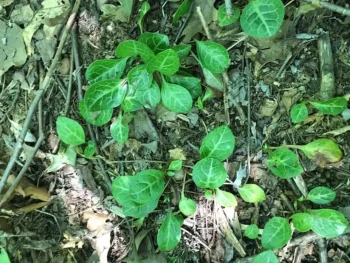
American wintergreen is a low-growing native shrub that rarely exceeds 1.5 feet in height, making it perfect for carpeting the forest floor of your garden. Don’t let its modest stature fool you – this perennial packs a punch when it comes to year-round interest. Its rounded, glossy green leaves stay beautiful throughout the seasons, while slender stalks of bell-shaped white to pinkish flowers appear in summer, creating a magical woodland scene.
Where Does American Wintergreen Call Home?
This native beauty has quite the impressive range across North America. You’ll find American wintergreen growing naturally throughout much of Canada and the eastern United States, from the Maritime provinces down to the Carolinas and west to the Great Plains. It thrives in states including Maine, Vermont, New York, Pennsylvania, Michigan, Wisconsin, and many others in between.
- Species observed
- No observations
Perfect Spots in Your Garden
American wintergreen is happiest in USDA hardiness zones 3-7, making it a reliable choice for gardeners in cooler climates. Here’s where this native gem really shines in your landscape:
- Woodland gardens where it can naturalize under trees
- Shaded rock gardens for a delicate touch
- Native plant gardens as authentic regional groundcover
- Areas where you want low-maintenance, evergreen interest
Growing Conditions That Make It Happy
Think of American wintergreen as a woodland dweller at heart. It prefers:
- Partial to full shade (direct sunlight is not its friend)
- Moist, well-draining soil that doesn’t dry out completely
- Acidic soil conditions
- Cool temperatures and good air circulation
- Rich, organic soil similar to forest floors
The wetland status varies by region, but generally American wintergreen is considered facultative, meaning it’s comfortable in both wetland and upland areas, though it typically prefers non-wetland sites.
The Challenge (And Reward) of Growing American Wintergreen
Here’s where things get interesting – American wintergreen isn’t your typical garden center plant, and there’s a good reason for that. This little beauty relies on special relationships with soil fungi (mycorrhizae) to thrive, making it notoriously difficult to transplant or propagate. If you’re up for the challenge, your best bet is starting from seed in conditions that closely mimic its natural habitat.
Once established, though, American wintergreen is remarkably low-maintenance. It will slowly spread to form colonies, creating a living carpet that requires minimal care.
Benefits for Wildlife and Pollinators
Don’t underestimate this modest plant’s ecological value. The summer flowers attract small native bees and flies, providing nectar when many other woodland plants have finished blooming. As a native species, it also supports the intricate web of insects and wildlife that have evolved alongside it for thousands of years.
Is American Wintergreen Right for Your Garden?
American wintergreen is perfect for gardeners who:
- Want to support native ecosystems
- Have shady areas that need groundcover
- Appreciate subtle, woodland beauty over flashy displays
- Enjoy the challenge of growing unique native plants
- Want low-maintenance plants once established
However, you might want to look elsewhere if you need instant gratification, have only sunny spaces, or prefer plants that are easy to move around the garden.
The Bottom Line
American wintergreen is a true native treasure that rewards patient gardeners with years of quiet beauty. While it may not be the easiest plant to establish, its delicate flowers, evergreen foliage, and important ecological role make it a worthwhile addition to the right garden. If you have a shady, moist spot that could use some native charm, consider giving this woodland gem a try – just remember that good things come to those who wait!