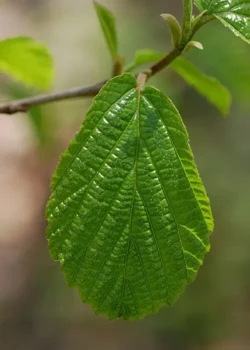
American Witchhazel: The Magic of Late-Season Blooms in Your Native Garden
When most plants are settling in for their winter slumber, American witchhazel (Hamamelis virginiana) puts on one of nature’s most delightful surprise shows. This charming native shrub defies the seasons by bursting into fragrant yellow blooms just as autumn leaves begin to fall, making it a true treasure for any gardener looking to extend their garden’s interest well into the colder months.
Meet Your New Favorite Native Shrub
American witchhazel is a deciduous shrub that typically grows 15-20 feet tall with a similar spread, though it takes its sweet time getting there with a notably slow growth rate. Don’t let that discourage you – good things come to those who wait! This multi-stemmed beauty develops an attractive, somewhat irregular form that adds character to any landscape.
As a true native of eastern North America, American witchhazel naturally occurs from southeastern Canada down to Georgia and stretches west to Minnesota and eastern Texas. You’ll find it thriving in states across this vast range, from Maine’s rocky woodlands to Louisiana’s mixed forests.
- Species observed
- No observations
Why You’ll Fall in Love with American Witchhazel
There are several compelling reasons to give this native shrub a spot in your garden:
- Unique blooming time: Those cheerful yellow flowers appear in fall when most other plants are done for the season
- Fragrant blooms: The spidery yellow flowers release a sweet, pleasant fragrance that carries on cool autumn air
- Wildlife value: Provides food for various wildlife species, contributing 5-10% of the diet for large animals and terrestrial birds
- Four-season interest: Spring emergence, summer foliage, fall flowers, and interesting winter branch structure
- Native plant benefits: Supports local ecosystems and requires no guilt about environmental impact
Perfect Garden Roles and Companions
American witchhazel shines in several garden settings. It’s particularly stunning in woodland gardens where it can naturalize alongside other native understory plants. The shrub works beautifully as a specimen plant where its unique fall flowering can be fully appreciated, or grouped with other natives in mixed shrub borders.
Its intermediate shade tolerance makes it perfect for those tricky spots that get dappled sunlight throughout the day. Consider pairing it with native ferns, wild ginger, or other woodland wildflowers that appreciate similar growing conditions.
Growing Conditions: Keep It Simple
One of the best things about native plants is how well-adapted they are to local conditions, and American witchhazel is no exception. Here’s what this easy-going shrub prefers:
- Soil: Acidic conditions (pH 4.5-6.2) with medium to fine texture
- Moisture: Consistent medium moisture – not soggy, but not bone dry
- Light: Partial shade to full sun, though it appreciates some protection from harsh afternoon sun
- Climate: Hardy in USDA zones 4-8, tolerating temperatures down to -28°F
The plant’s wetland status varies by region, but generally prefers upland sites while tolerating occasional wet conditions. It’s quite adaptable once established!
Planting and Care Tips for Success
American witchhazel is refreshingly low-maintenance once you understand its needs:
Getting Started: This shrub is routinely available from native plant nurseries and can be propagated by seed, bare root, or container plants. If starting from seed, remember that cold stratification is required – Mother Nature’s way of ensuring the seeds experience a proper winter before sprouting.
Planting: Space plants 4-6 feet apart if creating a grouping, or give a single specimen plenty of room to develop its natural form. Plant in spring or fall when temperatures are moderate.
Ongoing Care: Water regularly the first year to help establish a strong root system (aim for about 20 inches deep). After that, this drought-tolerant native should handle normal rainfall with occasional supplemental watering during dry spells. The slow growth rate means minimal pruning is needed – just remove any dead or damaged branches.
A Few Things to Keep in Mind
While American witchhazel is generally wonderful, there are a few considerations:
- Patience is required – this is definitely a slow and steady grower
- Not the best choice if you need quick screening or immediate impact
- Seed production can be low, so don’t count on lots of natural seedlings
- Fire tolerance is high, but the plant isn’t fire-resistant, so consider placement in fire-prone areas
The Bottom Line
American witchhazel offers something truly special: the magic of unexpected blooms when you need them most. As the garden world slows down and prepares for winter, this native beauty reminds us that there’s always something wonderful just around the corner. For gardeners who appreciate subtle beauty, support for local wildlife, and plants that work with nature rather than against it, American witchhazel deserves serious consideration.
Yes, you’ll need patience as it establishes and grows, but the reward of those fragrant yellow ribbons dancing in the crisp autumn air makes every year of waiting worthwhile. Plus, you’ll have the satisfaction of knowing you’re supporting native ecosystems while creating a garden that truly reflects the natural beauty of your region.